
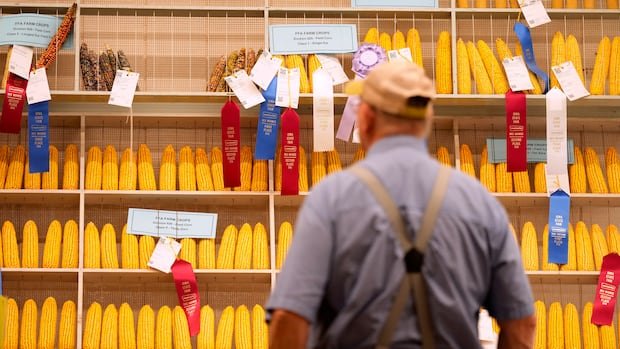

This weekend, a large crowd is flocking to the Iowa State Fair, a popular event featuring various entertainments, a rodeo, and a notable butter cow sculpture tradition dating back to 1911. Similar to the Calgary Stampede in Canada, the Iowa State Fair serves as a significant platform for politicians to engage with voters, particularly as the U.S. midterms approach.
One of the prevailing concerns among Iowans at this year’s fair is the impact of President Donald Trump’s trade policies. Aaron Lehman, a fifth-generation family farmer and president of the Iowa Farmers Union, expressed discontent over the uncertainty caused by the trade war. He highlighted the challenges faced by farmers due to the loss of international customers and the unpredictability of trade policies.
For farmers like Lehman, the economic strain could escalate further if Trump follows through on imposing 50 per cent tariffs on numerous Canadian goods on August 19. With Canada being Iowa’s primary export market, constituting 30 per cent of the state’s total goods exports in 2025, the potential disruption in this trade relationship is concerning.
As negotiations continue between Canada and the U.S., tensions remain high, with disagreements persisting on key issues. Farmers and residents in Iowa are feeling the brunt of the economic turmoil, affecting their daily lives and creating a more competitive political landscape leading up to the upcoming midterm elections.
While some Iowa farmers expressed support for certain aspects of Trump’s policies, concerns over the broader economic implications, especially regarding trade with Canada, are mounting. The evolving political dynamics in Iowa reflect the growing unease among voters as they navigate the repercussions of ongoing trade disputes and tariff threats.
In response to the escalating trade tensions, U.S. Trade Representative Jamieson Greer defended Trump’s tariff tactics during a visit to Iowa, emphasizing the administration’s commitment to bolstering American industries through tariffs and tax incentives. The delicate balance between supporting Trump’s trade agenda and addressing its impact on local economies is evident among Iowa Republicans, with diverging opinions on the effectiveness of the current trade strategy.
Despite efforts to reach a tariff deal between Canada and the U.S., significant gaps remain, hindering progress as the deadline looms. The uncertainty surrounding the negotiations has left both countries at a standstill, with no imminent resolution in sight. The complex nature of the trade talks underscores the challenges faced by policymakers and industry stakeholders as they navigate the intricate web of trade relations between the two nations.