
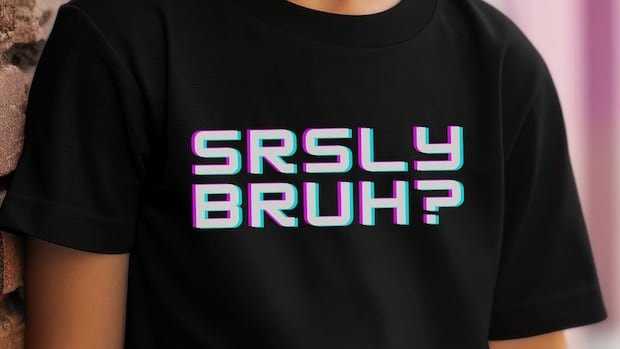

After receiving an email from Etsy informing him that 11 of his T-shirt designs featuring the term “bruh” were removed due to a trademark violation, Sam Joseph Karam, the owner of Customized Designs, expressed surprise at the number of listings taken down. He also mentioned that his Star Seller status was revoked by Etsy, leading to a decline in sales.
The email from Etsy referenced a complaint by Malik Yawar Abbas, a Canadian trademark holder for the term “bruh,” as the reason for the removal. Karam, along with other Etsy sellers, reported similar experiences of takedowns following complaints by Abbas.
Karam accused Abbas of “trademark squatting,” alleging that Abbas aimed to profit from licensing the term rather than producing goods. Legal experts suggest the need for platforms and the legal system to prevent such trademark exploitation.
Abbas holds a Canadian trademark for “bruh” related to clothing sales, as listed in the Canadian Intellectual Property Office database. Following the takedowns, Karam discovered Abbas’s website, showcasing licensing options for using the term “bruh” on various products.
Despite Abbas’s $1,000 settlement proposal to withdraw the complaint, Karam refused, citing bad faith intentions. Abbas defended his trademark rights, emphasizing the lawful registration and commercial licensing of the brand.
Karam’s intention to challenge the trademark on grounds of bad faith aligns with recent amendments to Canadian trademark laws, allowing for invalidation based on bad faith filings. Legal experts suggest that the way Abbas presents the trademark and pursues takedown requests may indicate bad faith usage.
While general terms and pop culture phrases can be trademarked, the context determines their eligibility. Experts argue that trademark ownership does not equate to exclusive word usage rights, and the trademarked term’s functional role decides infringement allegations.
Etsy’s removal of Karam’s listings without an appeal process highlights challenges for sellers. Abbas clarified his actions as aimed at protecting his trademark rights rather than restricting everyday language use.
Cases of trademark disputes and potential exploitation of the system underscore the need for stricter regulations and improved appeal mechanisms on online platforms. Legal experts advocate for enhanced procedures to address bad-faith trademarks and prevent unwarranted takedowns.