
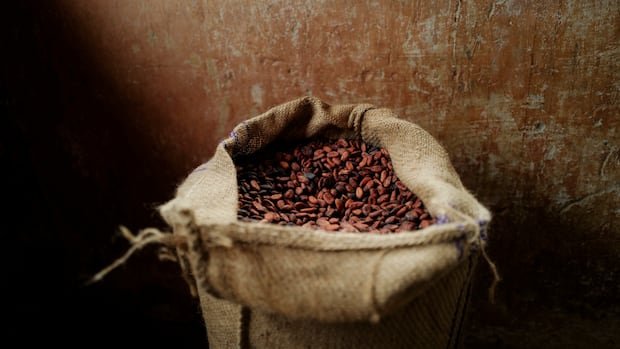

A recent peer-reviewed study highlights a lesser-known threat facing cocoa production amidst the flood of brightly packaged Halloween treats hitting stores nationwide. The research, led by environmental fellow Anna Lea Albright from Harvard University, reveals that heavy rainfall poses a significant risk to cocoa cultivation, overshadowing the more commonly acknowledged threats of heat and drought.
The study points out a surge in cocoa prices in recent years, with a tonne now priced around $6,000 US, a sharp increase from the $2,000 to $3,000 US range seen since 2014. Factors contributing to this price hike include severe flooding in West Africa, home to over two million cocoa farmers and the world’s largest cocoa-producing region.
According to Leslie Agyare, founder of Three Mountains Cocoa in Ghana, heavy rainfall has presented considerable challenges to cocoa farmers this year, disrupting harvesting activities. While climate change exacerbates extreme rainfall events, the study suggests potential interventions such as fungicide use and improved drainage to mitigate fungal diseases spreading among cocoa trees.
The study, focusing on Ghana as the second-largest cocoa producer globally, underscores the detrimental impact of excessive rainfall on cocoa yields, particularly during the flowering stage. The research also identifies a clear climate signal indicating that warmer air, holding more moisture, contributes to the intensification of heavy rain events during the wet season.
Despite the study’s valuable insights, experts emphasize the pressing need for infrastructure investments and innovative solutions to combat the adverse effects of extreme rainfall on cocoa farming. Addressing challenges like aging trees and illegal mining, alongside climate-related risks, is crucial to sustain cocoa production and support the livelihoods of millions of farmers.
The study raises concerns about the future viability of cocoa farming in West Africa, where changing climatic conditions threaten to make the profession less appealing and financially sustainable. Efforts to develop alternative chocolate products, like cocoa-free options, are gaining traction as companies seek more resilient supply chains amid climate uncertainties.