
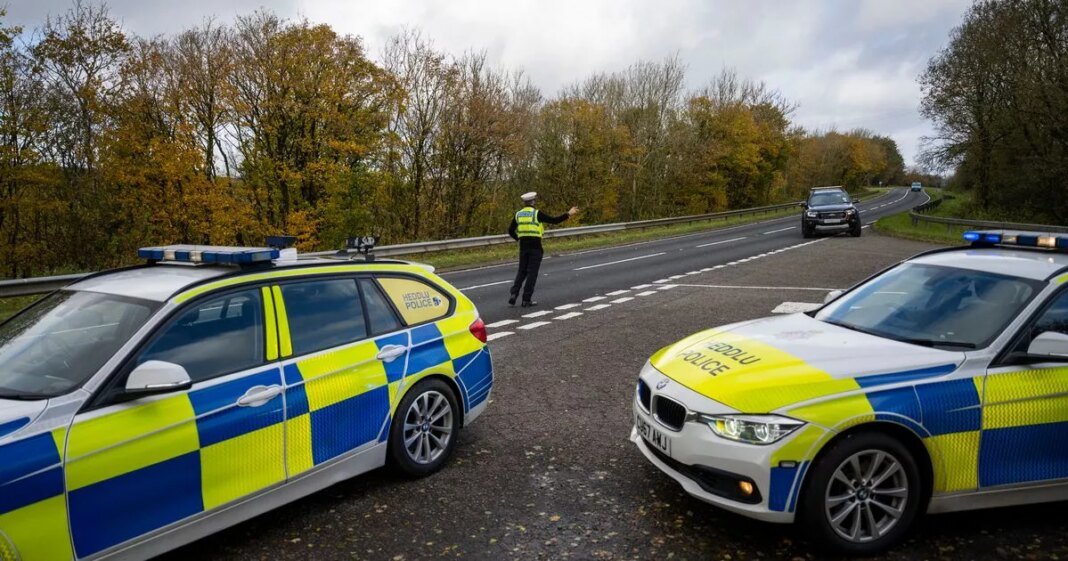

Specialists are advocating for the implementation of new regulations to address the critical issue of driver fatigue, drawing a parallel with the use of breathalysers to deter drunk driving. Research presented by the Royal Society for the Prevention of Accidents (RoSPA) reveals that in 2023, more than 430 individuals lost their lives or sustained severe injuries in accidents caused by fatigue.
The concerning statistic of almost 1,300 accidents linked to sleep-deprived drivers has prompted calls from experts for legislative measures to safeguard road users. Both RoSPA and the Fatigue Group are urging the Government to consider initiatives such as a standardized test for driver alertness and targeted awareness campaigns for at-risk groups, including shift workers.
In December 2023, the European Commission’s Mobility and Transport department published a report on Safety Performance Indicators concentrating on fatigue, emphasizing the hazardous impact of tiredness while driving. The report estimates that fatigue contributes to 15 to 20 percent of vehicle collisions.
Moreover, recent data from the Medical Defence Union (MDU) indicates that a significant 90 percent of medical professionals experience sleep deprivation during work—a trend indicative of a broader occupational risk. Caitlin Taylor, RoSPA’s road safety manager, highlighted the substantial yearly toll of severe and fatal incidents resulting from drowsy driving.
She stressed the urgency of taking action against this “avoidable” danger, as detailed by GB News. Taylor emphasized, “Fatigue impairs driving performance similarly to driving under the influence of alcohol or drugs but receives far less attention. This must change. Fatigue reduces reaction times, diminishes awareness, and impacts decision-making, endangering everyone. RoSPA calls on employers, policymakers, and the Government to act promptly by enhancing workplace fatigue management, launching public awareness campaigns, and enhancing data collection.”
The lack of data on crashes involving driver fatigue is causing concern. Both RoSPA and the proactive Fatigue Group suggest establishing a dedicated national registry of accidents caused by drowsy driving to bolster their efforts to raise public awareness.
Championed by experienced NHS anaesthetists who have witnessed the tragic consequences of fatigue-related road accidents post-shifts, the Fatigue Group has been at the forefront of advocating for this cause. One of their recommendations for drivers includes the simple ‘HALT’ reminder – refrain from driving if hungry, angry, late, or tired – and take regular breaks during work hours to reduce the risk of accidents.
For individuals covering long distances or working irregular hours, strategies like consuming caffeinated beverages or taking short naps may provide temporary relief from drowsiness. However, RoSPA emphasizes that these practices are not foolproof solutions and should not be relied upon routinely during each journey.
Dr. Karen McDonnell, RoSPA’s Occupational Safety and Health Adviser, remarked on the evolving discourse surrounding fatigue. She stated, “Defining fatigue is a topic of ongoing discussion. The report characterizes it as ‘a broad concept often used interchangeably with terms like tiredness, drowsiness, and sleepiness.’ While there isn’t a single definition, the conversations being initiated delve into the magnitude of the challenge and examine effective strategies within each sphere of influence.”
She added, “On average, 23 percent of European drivers admitted to driving while fatigued when surveyed in Europe, answering the question: ‘How often in the last 30 days have you, as a driver, driven while so sleepy that you had trouble keeping your eyes open?’ It’s worth considering the potential responses within your organization regarding employees who drive for work. Additionally, the age demographics of these drivers should be taken into account, as the report highlights a higher incidence of fatigued driving among 18-24-year-olds compared to those aged 65 and above.”
Employers are now urged to ensure their staff members receive adequate rest by allowing regular breaks and integrating effective fatigue management practices into work schedules. JP Lomas from the Fatigue Group emphasized that exhaustion often results from extended work hours, particularly in high-stress occupations, leading to increased risk-taking behaviors among drivers.
The organization’s study revealed that a significant 57% of trainees and 45% of consultants had been involved in accidents or near misses due to fatigue after working prolonged shifts.