
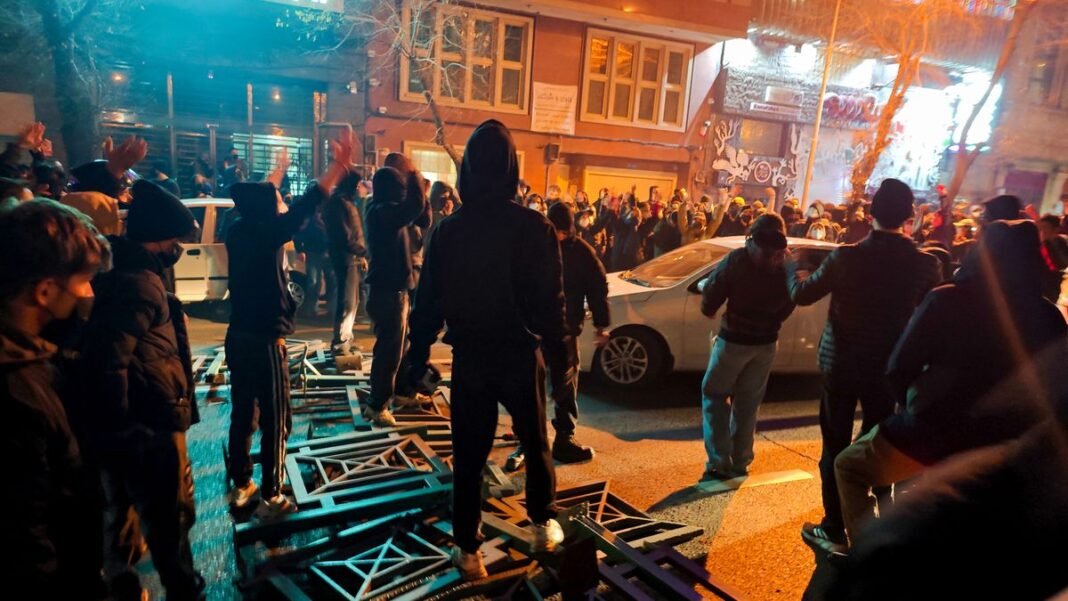

Violent turmoil in Iran has escalated dramatically, characterized by a chilling internet blackout, a high number of protester casualties, and the looming execution of a demonstrator. A human rights expert well-versed in Iran’s political landscape shed light on the blackout’s impact on citizens and their disconnected loved ones.
Stranded without communication with their kin, many Iranians abroad are left anxious as the world watches in suspense for six consecutive days, witnessing citizens grappling with lethal violence and disorder. Iranian officials have acknowledged a death toll of at least 2,000 from the ongoing protests, marked by reports of street executions, indiscriminate shootings by troops, and fatal beatings with police weapons.
The country witnessed widespread anti-government protests that sparked a significant challenge to the ruling regime, triggering a harsh crackdown by security forces with internet services cut off and fatalities mounting. Among those caught in the turmoil, Erfan Soltani faces imminent hanging without legal representation, while casualties include individuals like Rubina Aminian, a 23-year-old student, shot dead during the crackdown.
In a harrowing account shared with The Guardian via text message, a 25-year-old artist named Maryam described the chaos at the protests in Tehran, emphasizing the severe tactics employed by authorities. The blackout has drawn international attention, with Amnesty International urging an end to this silencing measure, emphasizing the concealment of human rights violations.
Amid nationwide protests against Iran’s Supreme Leader, Ayatollah Ali Khamenei, the blackout, initiated on January 8, is perceived as a camouflage for violations of international law. The deliberate obstruction of internet access has dire consequences, denying crucial information and impeding vital communication during a critical period of unrest.
As the situation unfolds, Amnesty International voices concerns about the systemic impunity in Iran and the cover-up of crimes under the digital veil. Blanket internet blackouts hinder transparency, accountability, and the dissemination of crucial information, perpetuating a cycle of repression and human rights abuses.
The ongoing bloodshed in Iran has drawn condemnation from various groups, highlighting the excessive use of force by security services and the grim toll on protesters and medical facilities. The authorities’ crackdown has led to overwhelming challenges for healthcare providers and brutal tactics against those seeking treatment.
The shutdown of internet services in Iran is not an isolated incident but part of a broader pattern of repression seen in other countries during times of conflict or mass protests. Amnesty International stresses that such total shutdowns infringe on human rights, urging global condemnation of these measures.
In response to the protests, Iran’s Supreme Leader rallied support for the government, while President Donald Trump issued stern warnings and imposed tariffs on countries engaging with Iran. The escalating tensions have raised concerns over possible military actions, with diplomatic efforts still underway to seek a resolution to the crisis.
The situation remains fluid as international pressure mounts on Iran to address the escalating violence and uphold human rights standards amidst the ongoing turmoil.