
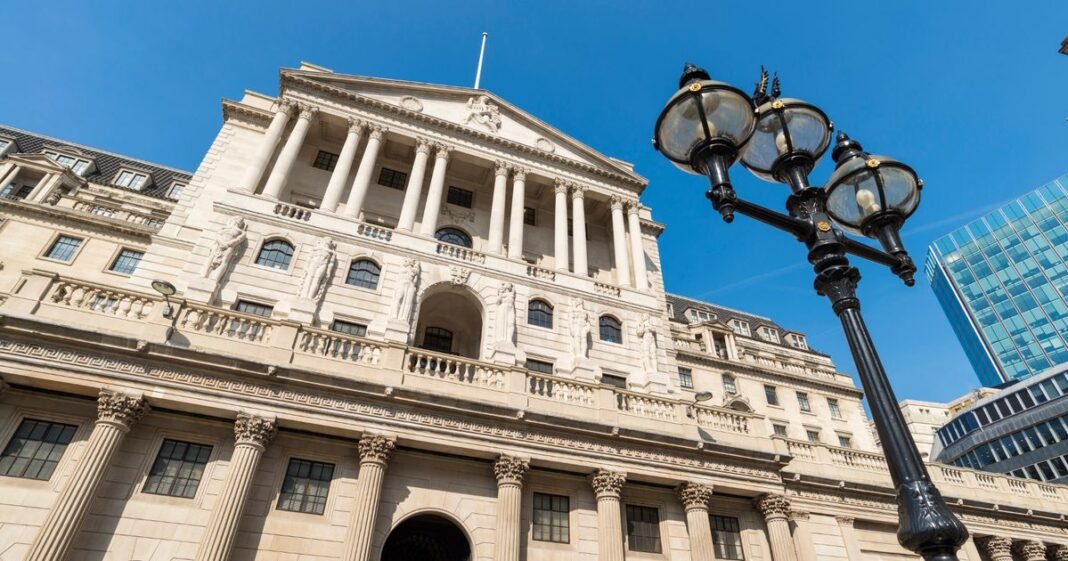

The Bank of England has given borrowers an early gift by reducing interest rates to the lowest level since February 2023. The Monetary Policy Committee voted by a narrow margin of five to four to lower the base rate from 4% to 3.75%, marking the sixth cut since August last year. Bank Governor Andrew Bailey’s support for the cut was crucial, especially following a notable slowdown in inflation.
This rate reduction is expected to benefit borrowers with variable rate mortgages and is likely to drive down fixed rate mortgage costs for new loans or remortgages. However, it may pose challenges for savers if financial institutions lower the interest rates paid to depositors.
Chancellor Rachel Reeves commented on the rate cut, acknowledging its positive impact on families with mortgages and businesses with loans. Despite the progress, she emphasized the need for further assistance to address the cost of living, highlighting recent measures taken at the Budget to ease financial burdens.
TUC General Secretary Paul Nowak welcomed the rate cut but stressed the necessity for more aggressive actions to support the economy facing weak demand and dwindling confidence. He urged the Bank to implement rapid and substantial rate cuts to stimulate spending and investment.
The decision to cut rates follows a decrease in inflation to an eight-month low of 3.2% in November, driven by reductions in food and drink inflation along with alcohol and tobacco prices.
Marylen Edwards, director of mortgages at specialist lender MT Finance, expressed optimism about the positive effects of the rate cut on borrowers, anticipating increased market confidence and activity in the upcoming New Year.
The Bank of England has steadily reduced the base rate from 5.25% in 2023 to the current 3.75% through a series of cuts since August 2024, with the rate remaining unchanged in September and November meetings.
The rate cut is expected to save an average borrower with a variable rate mortgage and a £175,000 balance around £29 per month, resulting in annual savings of nearly £350. These savings are in addition to previous rate cuts and potential future reductions. Borrowers with larger mortgage balances could see even greater monthly and yearly savings.
Bank Governor Andrew Bailey noted that the recent decline in inflation allowed for the fourth rate cut this year, emphasizing the importance of continued monitoring and assessment of economic conditions.
While inflation remains above the Bank’s 2% target, recent measures announced in the Budget are expected to further reduce inflation, potentially bringing it closer to the target in the second quarter of 2026.
Analysts suggest that further rate cuts may be necessary in the future, with differing opinions on the timing and extent of these reductions.
Stuart Morrison of the British Chambers of Commerce welcomed the rate cut as a positive development for businesses, but highlighted the ongoing challenges in achieving sustainable growth amidst economic uncertainties. Businesses continue to face financial pressures and low confidence, necessitating careful consideration of future rate adjustments.