
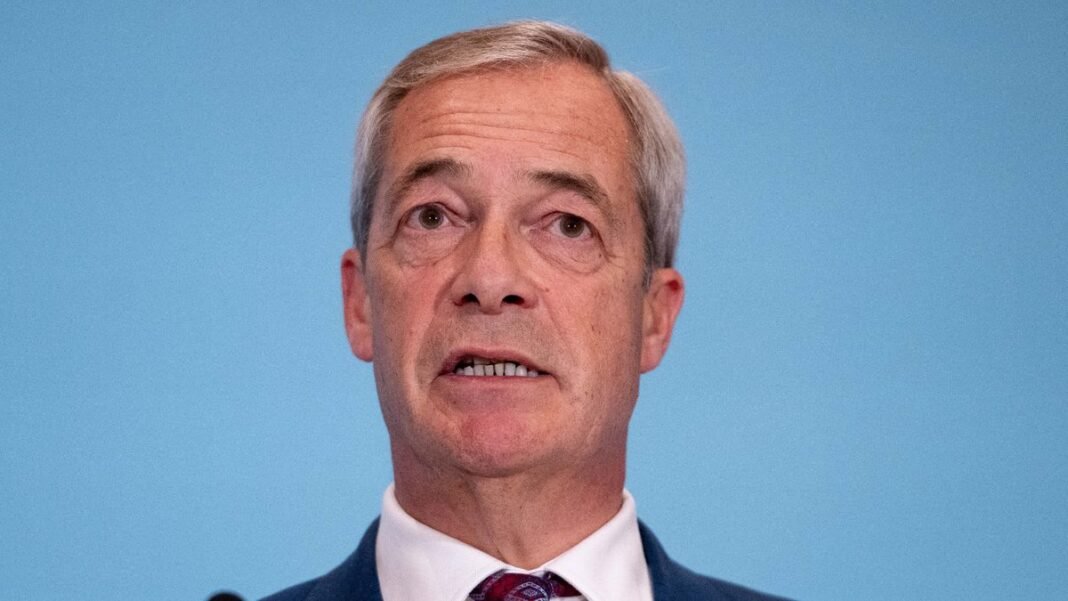

As the holiday season approaches, many individuals are gearing up to spend time with loved ones. However, Nigel Farage finds himself embroiled in a controversy stemming from his past actions at Dulwich College, his former private school.
Former classmates have accused Farage of making derogatory and racist remarks, such as expressing support for Hitler and making insensitive jokes about Nazi atrocities. Despite offering multiple explanations, Farage has struggled to address the allegations directly, leading to public outcry from 25 ex-students and a former teacher who expressed disappointment with his responses.
This is not the first time Farage has faced criticism for his handling of sensitive issues. Concerns about potential ties to Russia within Reform UK have lingered, especially after the party’s former Welsh leader was convicted of accepting bribes to promote pro-Russian propaganda.
Furthermore, Farage’s reluctance to address controversial statements made by party members, like the discriminatory comments by Chris Parry, the mayoral candidate for Hampshire and Solent, reflects poorly on Reform UK’s commitment to inclusivity and accountability.
In contrast, the Labour government has been focused on enacting progressive policies that benefit workers, exemplified by the recent passage of the Employment Rights Bill. Despite opposition from Reform, the Tories, Greens, and Liberal Democrats, the bill introduces new protections for workers, including restrictions on zero-hours contracts and enhanced parental rights.
While Farage remains embroiled in controversy, the government continues to prioritize the well-being of all communities, as seen in their support for the Jewish community following recent anti-Semitic incidents. As political dynamics evolve, Farage’s leadership style and party’s stance on critical issues will face increasing scrutiny in the coming year.