

In the realm of modern politics, the influence and relevance of social media platforms like Instagram and Tiktok play a pivotal role in shaping or breaking political movements.
A striking example of this phenomenon was observed during the recent New York Mayoral election. Despite being an Irish woman residing in London, my Instagram feed was inundated with updates on Zohran Mamdani’s successful mayoral campaign in New York City.
The power of social media in spreading both hope and animosity is undeniable. Nigel Farage, known for his adeptness in encapsulating divisive messages into easily shareable soundbites, exemplifies the impact of social media in political messaging.
A report by the charity Demos titled “Inside the mind of a 16-year-old” in November 2025 shed light on the perspectives of over 700 young individuals across the country. The study delved into their views on social media, politics, the state of Britain, and their future aspirations.
The report highlighted the disconnect between mainstream politicians and young people, with Nigel Farage being neither liked nor disliked but admired for his social media presence and candid communication style. On the other hand, Keir Starmer was perceived as lacking visibility rather than being actively disliked.
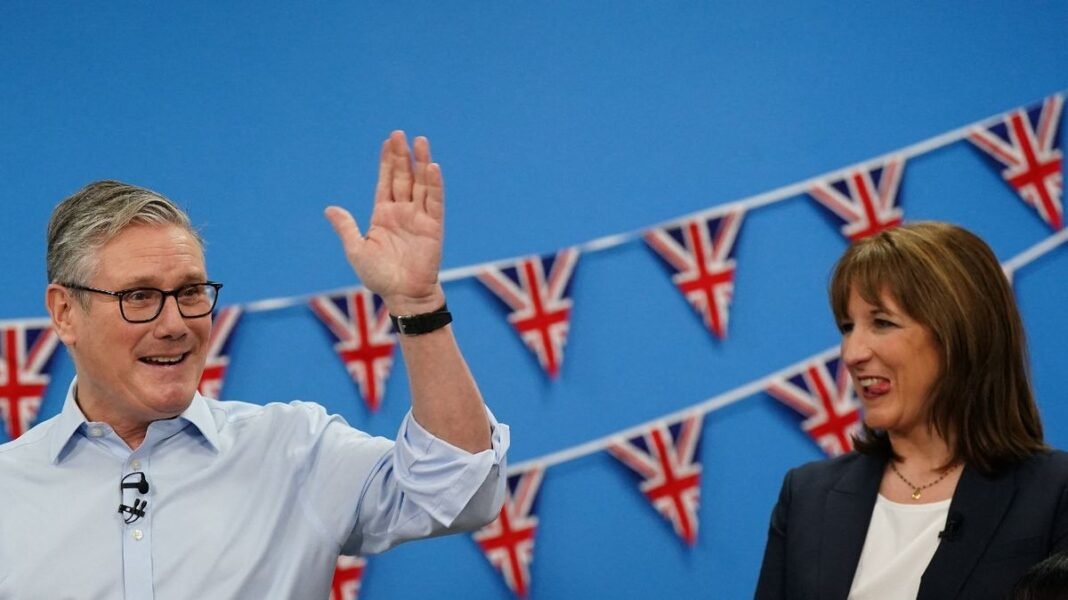
Prime Minister Keir Starmer’s recent foray into Tiktok signifies a strategic move to engage with Generation Z, a demographic crucial for political parties to connect with. Despite the initial launch of his Tiktok account on December 8, Starmer has already garnered a following of 26.5k, indicating a positive reception among young audiences. However, the journey ahead is long, as evidenced by Nigel Farage’s substantial 1.4 million followers on the platform.
The Demos report underscored the significance of TikTok in shaping democratic discourse, emphasizing its role as a primary news source for many young individuals who find traditional media outdated and disconnected from their reality.
To resonate with the younger electorate, political content on social media should be vibrant, engaging, and reflective of genuine personality. This approach is crucial as it shapes political identities even before policy discussions take place.
In a digital era where memes often precede substantive interactions with political figures, Labour faces the challenge of infusing authentic and relatable “meme energy” into their social media strategies.
While Keir Starmer’s Tiktok debut faced initial skepticism, with some preferring a feline Prime Minister over him, his videos have attracted substantial viewership, indicating a growing interest in his digital presence.
Labour’s efforts to navigate the evolving landscape of social media are commendable, albeit belated. Engaging with younger audiences through platforms like Tiktok is imperative for political parties to stay relevant and connected in the digital age.