
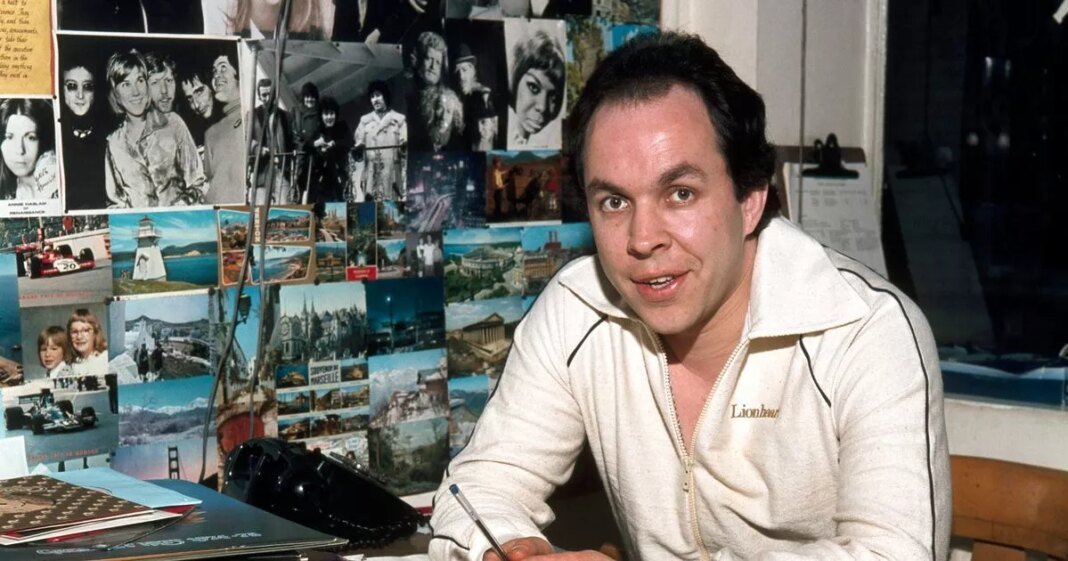

Andy Peebles, the renowned BBC Radio 1 DJ, has passed away at the age of 76. Peebles, known for his love of soul music and groundbreaking interviews, made a significant impact on British radio over his extensive career.
His death has sparked an outpouring of tributes from colleagues and fans, honoring his immense contributions to music and broadcasting. Born in 1948 as Robert Andrew Peebles, his early passion for music led him from a nightclub DJ to a prominent radio career, starting at BBC Radio Manchester in 1973. Just a year later, he became one of the founding DJs at Piccadilly Radio in Manchester, where his expertise in soul music solidified his reputation in the industry.
In 1978, Peebles transitioned to BBC Radio 1, where he hosted the acclaimed “Soul Train” show until 1992, showcasing his deep appreciation for soul music. His knowledge and enthusiasm made him a respected voice, introducing audiences to the best in soul, funk, and R&B.
A pivotal moment in Peebles’ career occurred in December 1980 when he conducted John Lennon’s final interview just days before the musician’s tragic death. This interview remains a seminal moment in rock history, establishing Peebles as an exceptional interviewer.
Following his passing, tributes poured in from the broadcasting community, with fellow DJ Mike Read praising Peebles as an outstanding broadcaster with unparalleled music knowledge. Tony Blackburn remembered him as a talented and kind individual, highlighting his professionalism and industry impact.
Geoff Baker, Peebles’ close friend, expressed shock at his sudden death, noting his expertise in music and cricket, along with his remarkable ability to engage audiences. Peebles’ passion for cricket extended beyond his broadcasting career, showcasing his diverse talents and widespread appeal.
While maintaining a relatively private personal life, Peebles’ dedication to soul music, high-quality broadcasting, and ability to connect with artists and audiences solidified his status as a beloved figure in the industry. His legacy, anchored by the iconic Lennon interview, cements his place in history as a significant contributor to radio and music journalism.