
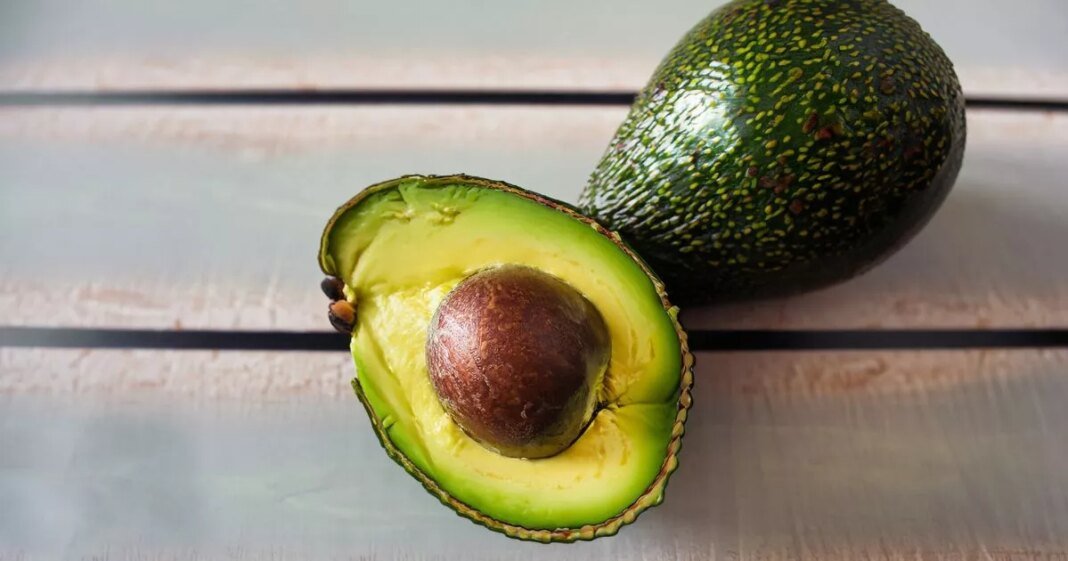

Renowned television personality and gardening expert Alan Titchmarsh has suggested that avocados should be avoided to help combat the environmental impact they have on the planet. In a letter to The Times addressing the risks associated with removing the stone from avocados, Titchmarsh proposed a straightforward solution: refraining from consuming them.
Titchmarsh, aged 75, believes that the increasing popularity of clean eating, epitomized by trendy dishes like smashed avocado on toast, contributes to the climate crisis. He highlighted that avocados often sold in the UK are cultivated in regions where deforestation is rampant to make room for avocado plantations, demanding substantial water resources. Moreover, the lengthy transportation process of avocados, covering thousands of miles across oceans to reach consumer markets, contradicts their purported eco-friendliness.
The environmental toll of avocados is significant, with each fruit leaving a carbon footprint five times larger than a banana. The water footprint of avocados, requiring 320 liters per fruit, strains water-scarce regions like Mexico and South Africa, surpassing the water needs of growing an apple by more than double.
While some argue that avocados are a sustainable superfood, the Sustainable Food Trust emphasizes the serious environmental repercussions of avocado production. Author Louise Gray’s research revealed that avocados flown in from Peru emit 1.6kg of carbon dioxide equivalents, whereas locally grown broad beans generate only 0.89 kg. Surprisingly, bananas have a relatively low carbon footprint due to bulk transportation, emitting just 0.7 kg.
Contrary to claims defending avocados, a recent study by the World Avocado Organisation suggests that the greenhouse gas emissions from avocados are comparable to those from other commonly consumed fruits. The study indicates that a kilo of avocados produces similar emissions to plums, with a total supply chain impact measured from farm to fork.
Despite the criticisms leveled against avocados, plant-based foods like avocados generally have lower carbon footprints compared to animal-based products. The carbon footprint of avocados is notably lower than that of beef, cheese, chocolate, and olive oil, highlighting the potential environmental benefits of plant-centric diets.
Looking ahead, as climate change alters agricultural landscapes, it is anticipated that crops like chickpeas, soybeans, and oranges could become staple produce in the UK by 2080. A study by the UK Centre for Ecology & Hydrology and the University of East Anglia predicts that the UK’s warming climate may support the growth of traditionally warmer climate crops within the country.
In conclusion, the debate around avocados underscores the broader discussion on sustainable food choices and the environmental impact of our dietary preferences.