
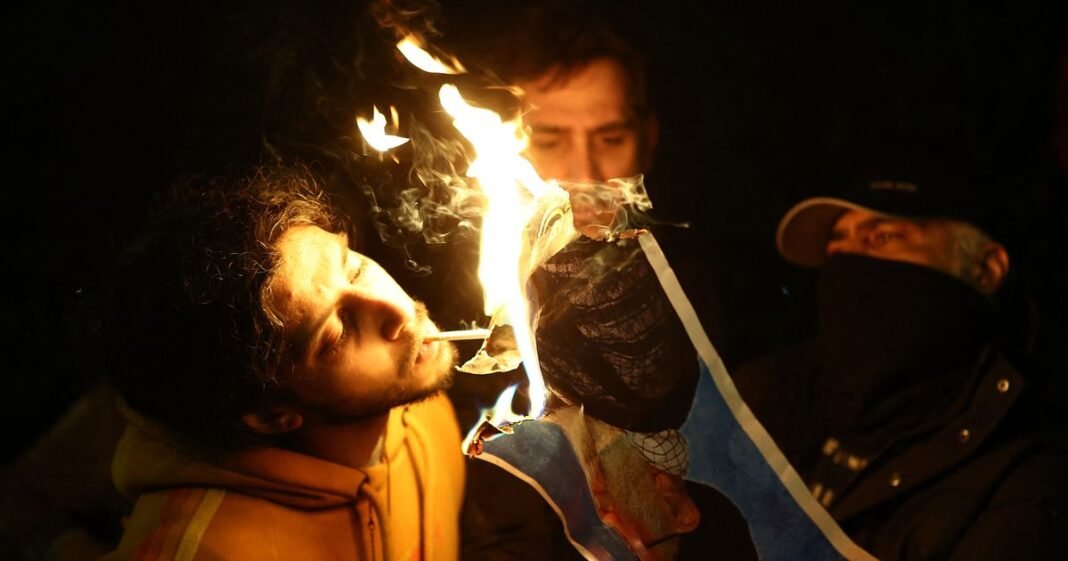

Desperate Iranian authorities have reportedly shifted significant amounts of money to safeguard against the potential collapse of the regime, despite the current suppression of public unrest. The funds have been redirected to banks in Dubai and other locations due to concerns about the possible downfall of Tehran’s oppressive government.
One notable individual involved in this financial maneuver is Mojtaba Khamenei, the son of the Ayatollah, who has transferred approximately £250 million in US dollars to a bank in Dubai as a precautionary measure. These revelations come from a recent report by the US-based Critical Threats Organisation, which highlights the quelling of protests for the time being.
However, the report warns that the sustained deployment of troops and law enforcement to control demonstrations, resulting in the deaths of nearly 3,000 protesters, is unsustainable. Additionally, around 20,000 demonstrators are reportedly detained in harsh prison conditions, with some facing imminent execution, although the US administration claims these executions have been halted.
The situation includes accounts of violent crackdowns on protest areas, hospital raids, and deliberate targeting, injuring, and killing of demonstrators, portraying the government’s conflict with its citizens. Discrepancies exist in estimating the death toll in Iran, with figures ranging from 2,500 to potentially exceeding 20,000, as per various human rights organizations.
The Critical Threat report suggests that despite prior preparations for a US military strike on Iran, these plans were set aside following assurances from the secretive Tehran government, as acknowledged by President Trump. The report indicates the regime’s reliance on security forces to maintain order is unsustainable, likely leading to the resurgence of protests in the future.
Furthermore, Iranian leaders are allegedly transferring their US currency reserves overseas, reflecting their lack of confidence in the domestic banking system and signaling concerns about the regime’s stability. The report also mentions the possibility of renewed protests as security forces face exhaustion from prolonged mobilization.
The authorities are reframing the protests as acts of terrorism and portraying themselves as victims, drawing parallels to extremist groups like ISIS. There are apprehensions regarding a potential regional conflict, with concerns that Israel may not be fully prepared for potential retaliatory actions from Iran and Lebanese Hezbollah.
In light of these developments, the Critical Threat report speculates on the reluctance of Lebanese Hezbollah to engage in actions that could escalate into a broader conflict supporting Iran. The ongoing protests, lasting over two weeks, have instigated violence and disorder across the nation as the government intensifies its crackdown with reinforcements and strained security measures.