
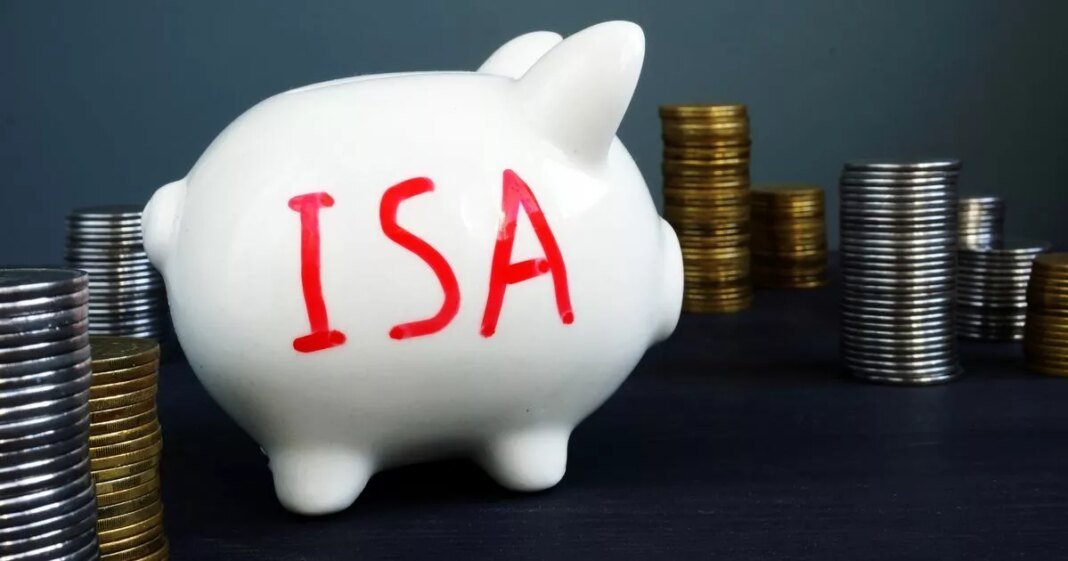

Rachel Reeves is reportedly considering announcing a potential reduction in the tax-free cash ISA allowance in the upcoming week. A cash ISA is a savings account where individuals can save up to £20,000 per tax year, and any interest earned on savings is exempt from taxation.
Aside from cash ISAs, there are other types of ISAs available, such as Stocks and Shares ISAs, Innovative Finance ISAs, and Lifetime ISAs. Investors have the option to distribute their £20,000 allowance across various ISA types.
According to the Financial Times, discussions within the government have revolved around possibly lowering the cash ISA threshold to as low as £5,000. While the Treasury has not officially confirmed any adjustments to the ISA allowance, reports suggest that the Chancellor might address this issue during her Mansion House speech on July 15.
The potential move follows a call from Emma Reynolds, Economic Secretary to the Treasury, advocating for more investments in the stock market rather than holding cash. Unlike cash ISAs, returns in stocks and shares ISAs are dependent on the performance of the invested companies rather than a fixed interest rate.
Financial expert Martin Lewis expressed concerns over the rumored reduction in the cash ISA limit, emphasizing that the change might not significantly encourage investment over saving. The Treasury mentioned in the March Budget that they are exploring options for reforms regarding cash ISAs.
In a previous statement to the BBC in May, Rachel Reeves hinted at aiming for better returns on savings without reducing the overall £20,000 ISA limit. She stressed the importance of maximizing returns by investing in equities and stock markets. Tax implications on savings interest vary based on tax brackets, with different thresholds for basic-rate, higher-rate, and additional rate taxpayers. Interest becomes taxable once surpassing these thresholds.
Savers have faced potential tax liabilities on savings interest due to improved interest rates in recent years. However, not everyone is required to pay taxes on their savings interest based on their tax bracket.