
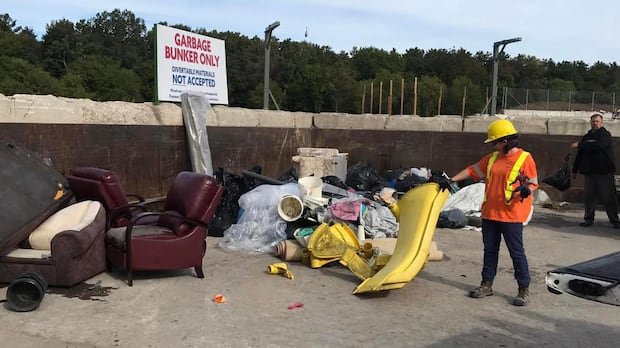

Standing in front of a heap of discarded items at the local dump, Meg Whitton from Simcoe County, Ontario, felt a mix of emotions. The pile included broken furniture, spilled drawers, and wooden pallets. Despite the sadness of waste, Whitton found joy in exploring what people threw away.
During a visit to dispose of an old broom, Whitton spotted two weathered Cedar Muskoka chairs that caught her eye. Without hesitation, she decided to rescue them, despite it being against the rules. After some minor repairs by her partner, the chairs found a new home in her backyard by the fire pit, sparking her admiration for the dump’s hidden treasures.
Years later, Whitton embraced a part-time job opportunity at the dump, working there every Saturday while maintaining a full-time media job. She was surprised by the county’s high landfill diversion rate and the willingness of people to sort their items correctly. Beyond directing waste to designated areas, Whitton found herself listening to stories behind people’s discarded possessions, offering a glimpse into their lives and experiences.
Encountering almost-new items being discarded continuously surprised Whitton, especially when she met Freddy, who disposed of unsellable donations on behalf of a charity. This experience made her reflect on her own contributions and the guilt associated with discarding items that no longer served their purpose.
As Whitton struggles to find a new home for a toy fire engine her children have outgrown, she reflects on the consumerist culture that drives unnecessary purchases and the challenges of responsibly discarding unwanted items. In a world focused on decluttering and minimalism, she questions the reasons behind accumulating possessions that no longer bring joy.
In a society where consumption and disposal are intertwined, Whitton’s experiences at the dump shed light on the human stories behind discarded objects and the complexities of waste management in modern life.