
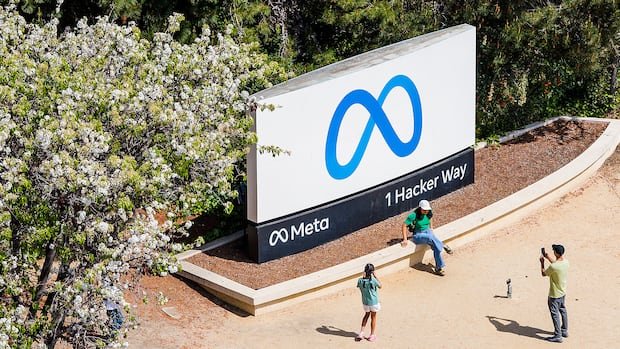

Meta Platforms CEO Mark Zuckerberg has urged the U.S. to reduce barriers for open-source AI to enhance competition with Chinese counterparts. The company unveiled a smaller, customizable AI model named Muse Glimmer, designed for tasks on standard computers with a single graphics card. Zuckerberg hinted at the development of larger models in the pipeline in a video alongside a published essay advocating for widespread AI accessibility.
The push for open-weight AI has gained traction amidst concerns about rising AI costs and cybersecurity issues involving models from various companies. Unlike closed models, open-weight models offer customizable components, making them more affordable and user-friendly. Recent incidents, including the release of Chinese open-weight models and an AI hack using a Chinese model, have highlighted the significance of open-source AI.
Meta, along with other tech firms, signed a letter endorsing open-weight AI, aligning with the trend led by Chinese startups. While U.S. developers like OpenAI and Google predominantly use closed-weight models, Chinese models like Kimi K3 and Qwen3.8-Max have gained prominence for their performance. Meta’s stock rose following these developments, indicating market confidence in the company’s AI strategies.
In a bid to regain momentum in the AI race, Meta plans to release Muse Spark 1.2, its advanced model. The company, which previously faced challenges with its Llama 4 model, is now focused on supporting open AI initiatives. Zuckerberg announced a $1 billion fund to address concerns related to data center expansions and community impacts, recognizing the growing local opposition to data centers in the U.S.
Zuckerberg emphasized the need for policy reforms to foster American leadership in open-weight AI, suggesting changes in data use regulations and model distillation methods. Meta aims to establish a governance structure for model releases, ensuring safety criteria approval by independent directors. The U.S. government’s stance on voluntary safety tests for open-weight AI models was also addressed, signaling ongoing discussions on AI regulation.