
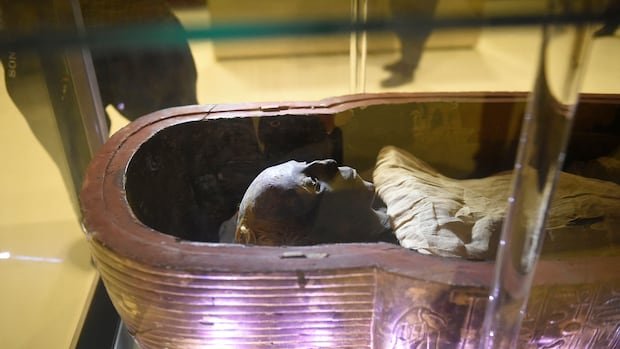

A recent study reveals an unexpected trend in the online market for preserved human remains, raising concerns about potential health risks associated with this niche hobby. Researchers analyzed 128 web posts spanning from 2015 to 2025 showcasing the sale of mummified human and animal remains. Lead author Kirsty Squires, a bioarchaeology professor, highlighted the prevalence of mummified heads, hands, and feet in these online listings.
The study emphasizes that mummified body parts can harbor dormant microorganisms like bacteria, fungi, and yeast, which may pose health dangers if mishandled. Proper storage conditions are crucial to prevent deterioration, as seen in some online images. Unlike museums that maintain controlled environments, storing remains in homes or garages can lead to the release of fungal spores and bacteria during handling.
When handling human remains, precautions such as wearing protective equipment are essential to minimize health risks. Sellers not using gloves in some instances could expose individuals, especially those with compromised immune systems, to airborne microorganisms that can cause respiratory and skin irritations. Additionally, mummified body parts may contain hazardous chemicals like arsenic and mercury from past embalming practices.
While the study doesn’t cite specific cases of illness from handling online-purchased human remains, historical incidents underscore the potential risks. Ethical concerns surrounding the trade of human remains are highlighted, with experts emphasizing the need for stricter regulations to prevent exploitation and health hazards.
In Canada, where 11 of the examined posts originated, concerns over the unregulated trade in human remains persist. While some shipping companies prohibit the transport of mummified human remains, sellers can circumvent restrictions by mislabeling packages. This loophole poses risks to postal workers and others handling damaged parcels containing human remains.
Calls for stricter legislation, akin to the U.K.’s proposed ban on online sales of human remains, are gaining traction in Canada. Critics argue that treating human remains as commodities perpetuates colonialism and exploitation. Addressing these concerns is crucial to safeguarding ethical standards and public health in the trade of human remains.