
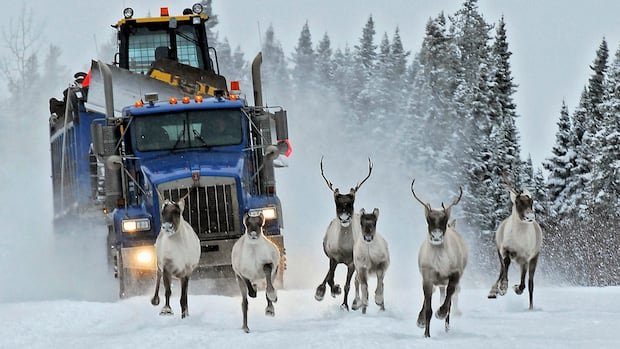

A certain animal species in Canada can be classified as endangered, yet it may face prolonged delays in receiving protection decisions from Ottawa, all the while coping with changing habitats crucial for its survival.
According to a recent study, out of 288 species deemed at risk since 2017, only 17 made it to the Governor in Council for final listing decisions within the recommended timeframe, while 153 were past due and awaiting action as of January 25, 2025.
This dilemma impacts various populations, including caribou, beluga whales, and lake sturgeon, which have been assessed as endangered or threatened but are stalled in the listing process that could trigger habitat safeguards and recovery strategies.
The bottleneck, as highlighted by researchers, stems from a gap in the Species at Risk Act (SARA), where Ottawa has outlined timelines for assessment progression but lacks a statutory deadline for a critical stage in the procedure.
The study does not pinpoint the reasons for these delays, but critics argue that the absence of a set deadline enables governments to defer challenging decisions concerning conservation versus economic priorities.
Peter Thompson, the lead author of the study and a postdoctoral researcher at Simon Fraser University, noted the consistent failure of the government to adhere to the recommended timelines it established for itself.
An instance highlighted in the study is the Saskatchewan-Nelson River population of lake sturgeon, an ancient fish facing endangerment since 2017 due to significant declines. Despite missing federal deadlines, the fish population still awaits progression in the listing process after five years.
The study underscores the significance of timely listing decisions as they trigger protections against harming or capturing endangered species, along with mandating recovery strategies and the identification of critical habitats for preservation.
Aquatic species, especially marine mammals and fish, were notably delayed in the study, with none of the assessed species moving forward for listing decisions by January 2025, reflecting a substantial backlog in the system.
Beyond the biodiversity implications, experts like Andrea Reid, a Canada Research Chair at the University of British Columbia, emphasize the cultural and traditional significance of these species to Indigenous communities, urging a balanced approach to conservation and cultural preservation.
The research also uncovered challenges related to information collection, analysis, and Indigenous consultation as contributing factors to delays in species listings, prompting calls for enhanced efficiency and transparency in the process to ensure timely protection measures are in place.