
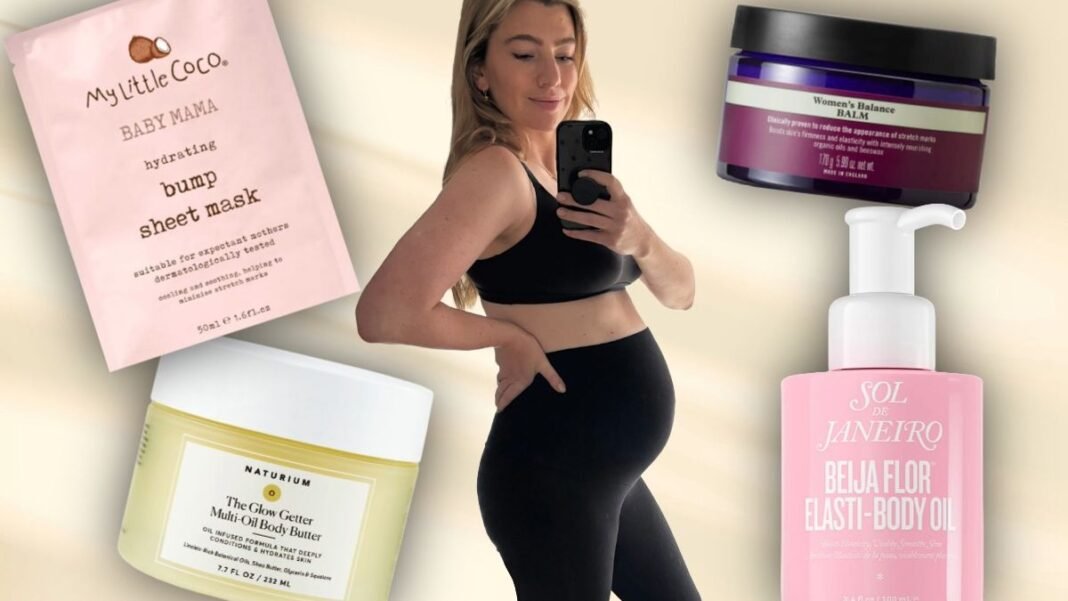

During pregnancy, your body undergoes remarkable changes to accommodate and safeguard the growing fetus. One common concern for many women is the development of stretch marks, primarily on the abdomen, as the skin expands. While genetic predisposition plays a significant role in stretch mark formation, factors like weight gain, growth spurts, and hormonal changes also contribute.
Maintaining well-hydrated and elastic skin through regular use of moisturizing products can help reduce the risk of stretch marks. Ingredients such as hyaluronic acid, vitamin E, peptides, and collagen-supporting complexes have shown some efficacy in improving skin hydration and elasticity. Additionally, products containing Centella asiatica may provide mild benefits in supporting skin repair.
Although topical products may not entirely prevent stretch marks, certain treatments like tretinoin, Centella asiatica, hyaluronic acid, and silicone gels, along with in-clinic procedures like microneedling, laser treatments, and radiofrequency treatments, can help improve the appearance of stretch marks by stimulating collagen production and enhancing skin texture.
Personal experiences with body products like Naturium cream and Sol de Janeiro body oil have shown positive results in moisturizing the skin without feeling greasy or heavy. These products, enriched with effective ingredients, can aid in keeping the skin supple and potentially minimizing the appearance of stretch marks.
Incorporating hydrating skincare products tailored for pregnancy, such as bump masks, can be a fun and pampering addition to a skincare routine, providing hydration and relaxation during the maternity journey. Overall, maintaining skin health through proper hydration and using suitable skincare products can contribute to minimizing the effects of stretch marks during pregnancy.