
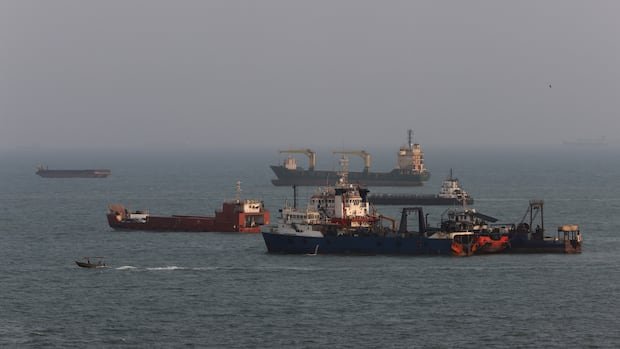

Five high-ranking Iranian officials are set to be sanctioned for their involvement in activities within the Strait of Hormuz that are deemed detrimental to global peace, as stated by Canada’s foreign affairs minister. An official statement from Foreign Affairs Minister Anita Anand emphasized the significance of freedom of navigation in the Strait of Hormuz for global trade and energy security. The sanctions target individuals who are perceived to be undermining these principles, threatening global economic stability and energy security. The statement also urges Iran to de-escalate tensions and uphold international navigation rights.
The sanctions specifically target senior officials of the Islamic Republic of Iran, including members of the Islamic Revolutionary Guard Corps (IRGC), for their actions that have posed threats to a vital international waterway. The individuals sanctioned include Ali Abdollahi, the commander of Khatam al-Anbiya Central Headquarters and a senior IRGC official; Lt.-Col. Ebrahim Zolfaghari, a spokesperson for Khatam al-Anbiya Central Headquarters; Ebrahim Azizi, a parliamentarian and head of the Iranian parliament’s national security and foreign policy committee; Shahram Irani, the commander of Artesh, the Islamic Republic of Iran’s navy; and Hamid Hosseini, the chair of the board of directors and spokesperson for the Iranian Oil, Gas and Petrochemical Products Exporters Union.
Canada has now imposed sanctions on a total of 232 individuals and 260 entities across various sectors of Iran’s security, intelligence, and economic apparatus, according to Global Affairs Canada. The latest sanctions come amidst increasing pressure to resolve the conflict in the region, following unsuccessful attempts to finalize a peace agreement between the U.S., Israel, and Iran that was initially agreed upon in June.
Since the onset of the war in February, triggered by a joint U.S.-Israeli attack on Iran, there have been fluctuating statements from U.S. President Donald Trump regarding the possibility of escalation and peace negotiations. Iran has been leveraging control over the Strait of Hormuz to influence Washington, leading to disruptions in the transit of oil and liquefied natural gas through the strategic waterway. Trump has called upon allies to help secure the critical global oil shipping route, while Canada and other nations have urged Iran to cease obstructing commercial shipping in the strait.
As the conflict persists, Trump’s administration has faced criticism and pressure to end the war, especially with the negative impact on fuel prices and the global economy. The disruption in shipping has led to a forecasted decline in global oil supply, further emphasizing the urgency for a resolution to the conflict.