
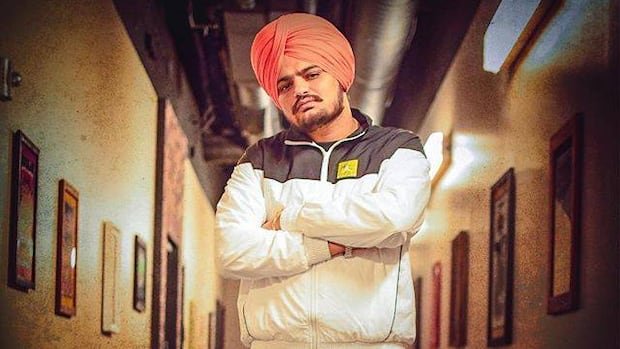

Ravinder Sidhu and his sister Nav made a trip from India to Toronto to attend Sidhu Moose Wala’s Signed to God world tour at Scotiabank Arena, each spending $550 on tickets. They anticipated a unique experience as the Punjabi rapper, who commenced his music journey in Canada, tragically passed away in 2022 due to a shooting incident near his hometown in Northern India. To honor Moose Wala, a hologram was featured on stage during the tour’s opening night in Toronto, showcasing the technology’s potential to provide an unforgettable fan encounter at a premium cost.
Expressing excitement before the show, Ravinder remarked to CBC News that the event might offer a futuristic experience that left them thrilled. Another fan, Harry Singh, mentioned investing $270 on his ticket along with travel expenses from California, highlighting the ticket’s increasing resale value closer to the performance date. Singh noted that securing tickets early proved fortunate as prices surged closer to the event.
Some online listings for the Toronto show advertised tickets nearing $2,000 before additional charges, mirroring the pricing trend for the upcoming Vancouver stop. Singh, reflecting on the potential realism of the holographic performance, shared his anticipation for the show.
Following the concert, Singh shared details of the event, including the presentation of an unreleased song titled “Rebirth” and an appearance by the late rapper’s younger brother. Singh’s video captured the crowd engaging with the hologram of Moose Wala on stage, showcasing the emotional connection fans maintained with the late artist.
Sidhu Moose Wala’s musical journey flourished during his time as an international student in Brampton, Ontario, which houses a vibrant Punjabi community. Moose Wala frequently acknowledged the city in his music, with his track “B-Town” serving as a direct homage to Brampton.
Music journalist and historian Alan Cross highlighted the emergence of digital-first performances, citing Abba Voyage’s success in London featuring de-aged digital avatars of the iconic Swedish pop group performing alongside a live band. Cross emphasized the growing trend of holographic concerts, driven by aging music legends, evolving audience preferences, and technological advancements.
David Nussbaum, founder of hologram company Proto, emphasized the practicality of using technology to resurrect deceased stars, mentioning ongoing work with Jack and Sharon Osborne to recreate Ozzy Osbourne. Nussbaum described the Avatar as an “agentic AI avatar” capable of interacting with fans in multiple languages, offering a personalized and immersive experience.
The article delves into the evolution of holographic technology, drawing parallels to past instances like the holographic performance of Tupac Shakur at the Coachella festival in 2012. Technology expert Carmi Levy highlighted the pivotal moment in blending entertainment and technology, noting the continuous advancements in holographic quality driven by artificial intelligence innovations.
Proto’s Nussbaum outlined the company’s vision to seamlessly integrate lifelike, AI-powered holograms into various real-world applications, beyond entertainment. Expanding beyond stage performances, Proto collaborated with Bon Jovi to create an interactive hologram experience, allowing fans to engage with a virtual Jon Bon Jovi for realistic photo opportunities.
Levy envisioned a future where holographic experiences become accessible to consumers at home, foreseeing the integration of advanced 3D AI capabilities into everyday devices like smartphones. The industry’s trajectory points towards a convergence of multimedia and holographic capabilities, paving the way for immersive experiences in the digital realm.