
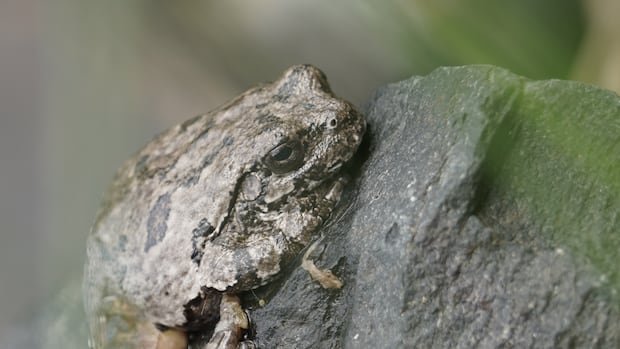

Thickened skin shedding from lethargic frogs and toads in patches, along with difficulties in breathing and eating, are clear indicators of chytridiomycosis, a deadly fungal disease known as an “epidermal epidemic” that has led to the extinction of numerous amphibian species globally.
While not yet identified in the middle province of Canada, including Manitoba, there is a strong likelihood of the presence of this pathogen in the region. Research indicates that chytrid is widespread on the continent, suggesting that Manitoba could also be affected by the disease.
Chytrid affects frogs due to the fungal pathogen Batrachochytrium dendrobatidis and salamanders due to Batrachochytrium salamandrivorans. The latter, suspected to have originated in East Asia, has devastated local salamander populations in parts of Europe in recent years.
Although there have been reports of chytrid in various regions of Canada, Manitoba has not yet confirmed its presence. Nevertheless, the potential threat to amphibians in the Prairies is escalating, especially with changing environmental conditions and climate variations.
Efforts are underway to proactively monitor and study the impact of this deadly fungal pathogen on amphibian populations in Manitoba. Researchers are conducting field experiments and exploring potential treatments to mitigate the effects of chytrid on vulnerable amphibian species. If successful, these initiatives could offer hope for the conservation of amphibians facing the threat of extinction due to this disease.