


An individual from Quebec, aged 64, has made history by being the first person in North America to undergo a liver transplant using a regenerated liver. This groundbreaking technology has the potential to significantly increase the number of available livers for transplantation in its initial year. Gérard Landry, a resident of Nouvelle in Quebec, battled liver issues for approximately 15 years, which eventually led to cirrhosis and liver cancer.
Prior to his liver transplant surgery, Landry received surprising news from his doctor that his new organ had been regenerated using an innovative machine, introduced for the first time at the Centre hospitalier de l’Université de Montréal (CHUM) in Montreal.
Expressing his gratitude, Landry mentioned that his doctor informed him about the new machine, which had been in development for several years, likening it to a special gift.
The technology, known as Liver Assist, enables medical professionals to assess and treat a donated liver outside the body before transplantation. For Landry, this meant receiving a liver that may have been considered too risky without this advanced technology.
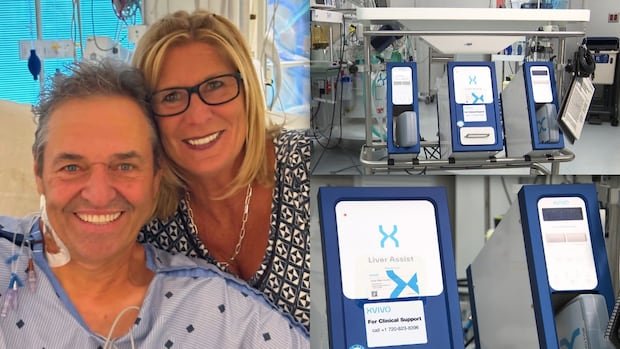
Gérard Landry had been suffering from liver disease and cancer for 15 years. But now, he’s cancer-free thanks to a liver regenerated by a new machine – technology that could lead to more life-saving transplants.
Reviving Donated Livers
Dr. David Hénault, a liver transplant specialist and hepatopancreatobiliary surgeon at CHUM, led the initiative and carried out Landry’s operation. He mentioned that the team had been preparing to implement this technology for approximately three years.
Through the Liver Assist system, a donated liver is connected to a machine that circulates an oxygen-rich solution through the organ, potentially reversing damage caused by oxygen deprivation while the liver is outside the body.
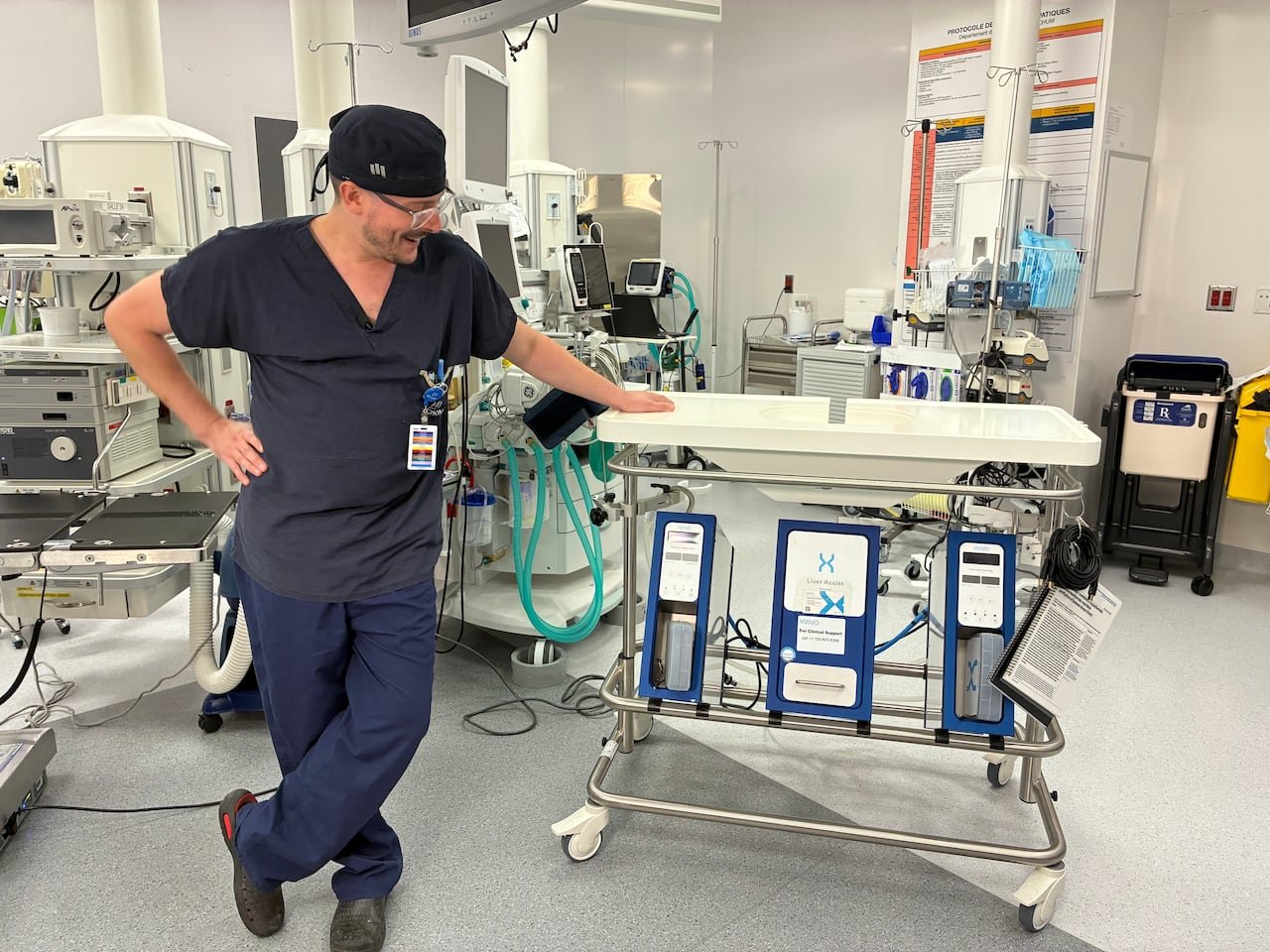
Subsequently, doctors can switch to a blood-based solution to evaluate the liver’s functionality under conditions simulating the human body. Hénault emphasized that if the liver performs well on the machine, it is likely to function effectively in the human recipient.
Hénault highlighted that the liver transplanted into Landry was a suitable candidate for this technology due to its susceptibility to oxygen-related damage during the transfer process.
Expanding Liver Availability
CHUM conducts around 70 liver transplants annually. Hénault revealed that a collaborative study with Transplant Québec assessed previously