
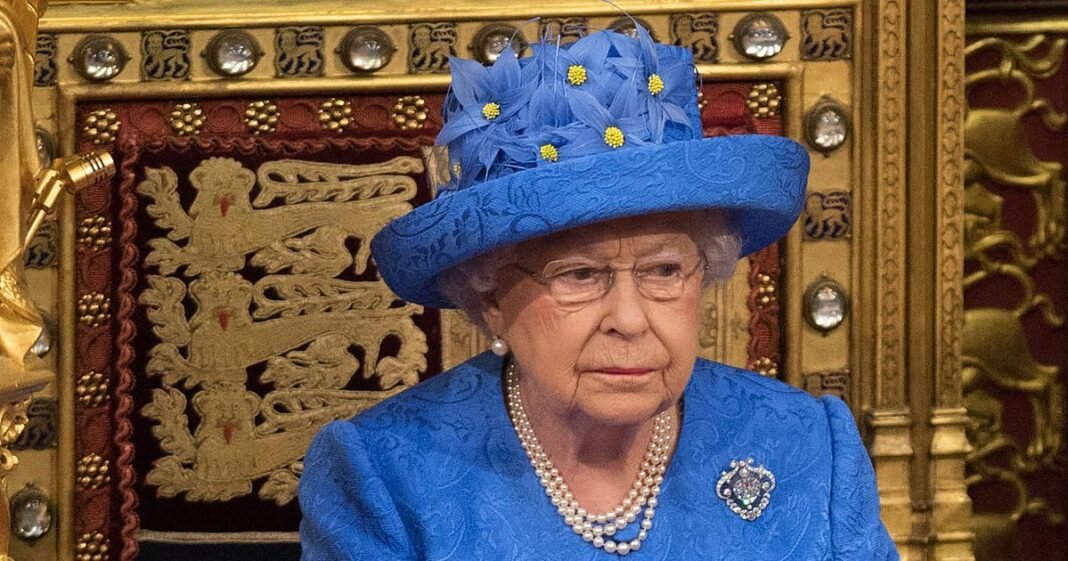

In the past, women in the British royal family were traditionally expected to fulfill roles centered on duty and decorum, primarily focusing on producing heirs and symbolizing continuity. However, the landscape has evolved significantly over time, with today’s royal women wielding greater influence and power while still upholding various traditions and customs.
The shift in dynamics can be attributed to the late Queen Elizabeth’s unique position as a ruling monarch rather than just a queen consort married to a king. This distinction, as noted by Chris Ship, Royal Editor at ITV News, marked a significant turning point, empowering present-day royal women to assert themselves confidently, pursue their interests, and passions beyond mere ceremonial roles.
During her remarkable 70-year reign, Queen Elizabeth emerged as a symbol of stability and diplomacy, guiding the nation through wartime challenges, scandals, and family upheavals. She championed legal reforms related to succession that advanced gender equality within the monarchy, enabling princesses and duchesses to transition to active roles with their own initiatives and advocacy platforms.
Queen Elizabeth’s reign ushered in a subtle but impactful transformation, challenging traditional patriarchal norms. Her dedication to her responsibilities, keen intellect, and ability to hold her ground in a male-dominated society set a precedent for future generations of royal women. She exemplified a delicate balance between upholding longstanding customs and embracing progressive changes, embodying resilience and adaptability.
Princess Anne, the Queen’s daughter, embodies similar values of strength and independence. Fiercely dedicated and hardworking, she has carved her niche as a steadfast support to her brother, King Charles, and a role model for prioritizing duty over personal acclaim. Princess Anne’s unwavering commitment to royal engagements and her understated yet impactful presence within the family reflect a blend of Queen Elizabeth’s resolve and Prince Philip’s no-nonsense approach.
Queen Camilla, another influential figure, has elevated her role alongside Prince Charles, particularly in recent years. Her focus on pressing social issues like domestic violence underscores a commitment to effecting positive change and resonating with evolving societal values. Camilla’s partnership with Kate, the Princess of Wales, exemplifies a collaborative approach to representing the royal family at significant events and advocating for meaningful causes.
Kate, known for her dedication to early childhood development through The Royal Foundation Centre, strikes a balance between her royal duties and motherhood. Together with Prince William, she has redefined the royal family’s communication strategy, leveraging social media to engage with the public while safeguarding her children’s privacy. Kate’s adept management of public perception reflects a modern approach to navigating royal responsibilities in a digital age.
Looking ahead, the future of royal women promises continued evolution and impact, building on the legacies of influential figures like Queen Elizabeth, Princess Anne, and Princess Diana. Their resilience, dedication, and adaptability serve as guiding lights for the next generation of royal women, shaping a legacy of empowerment and relevance within the monarchy.