

Canada’s initiative to construct a $267 million medical countermeasures laboratory in Winnipeg has been identified by experts as a crucial move to prepare for future pandemics. However, challenges lie ahead concerning sustained funding, staffing, and governance for the facility.
The federal government recently awarded a $10.2 million design contract for the laboratory, which is scheduled to be operational by 2033 alongside Winnipeg’s National Microbiology Laboratory (NML). While the lab’s primary goal is to address the need for testing early-stage vaccines, treatments, and diagnostic tools, health experts emphasize that the success of the facility hinges on long-term investments in skilled personnel.
Dr. Joanne Liu, a professor at McGill University’s School of Population and Global Health and former head of Médecins Sans Frontières, pointed out that having a state-of-the-art building is essential, but having the necessary human resources is equally vital to establish a world-class center for medical countermeasures.
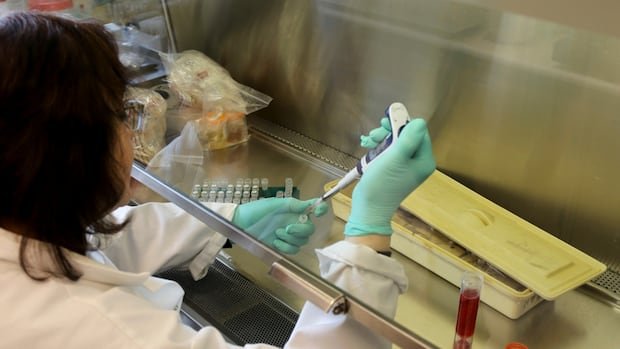
The new facility aims to enhance Canada’s capacity for preclinical trials, providing dedicated space for laboratory and animal testing within the country’s research and development pipeline. Currently, due to space limitations, the NML sometimes repurposes labs designated for high-risk pathogen research to conduct preclinical trials.
Industry and academic partners may utilize the laboratory spaces, subject to appropriate agreements and screenings, according to NML’s chief operating officer, Steven Guercio. Canadian researchers often encounter obstacles when transitioning vaccine discoveries to early human safety trials due to the absence of local cleanrooms for producing test batches.
Ensuring long-term funding stability is crucial for the project’s success, as emphasized by Gary Kobinger, a former NML scientist involved in developing the world’s first effective Ebola vaccine. He stressed the importance of committing to ongoing funding to advance products over the next decade following the construction of the facility.
Investing in pandemic research during non-crisis periods is equally essential, according to McGill’s Dr. Liu. She highlighted the necessity of continuous funding and support for research activities even when public health threats are not at the forefront of public attention.
Concerns have been raised about the governance and operational risks associated with the new laboratory. Kobinger cautioned against solely entrusting the facility’s management to the government, citing potential bureaucratic hurdles and funding issues. He referenced past challenges faced by Canada in technology transfer and commercialization, such as the licensing of the Ebola vaccine to a U.S. company due to internal struggles.
While the Public Health Agency of Canada (PHAC) defended its funding decisions and highlighted investments in medical countermeasures capacity, the agency acknowledged the need for streamlined operations and talent retention. Kobinger stressed the importance of effective leadership and governance practices to ensure the success of the initiative.