
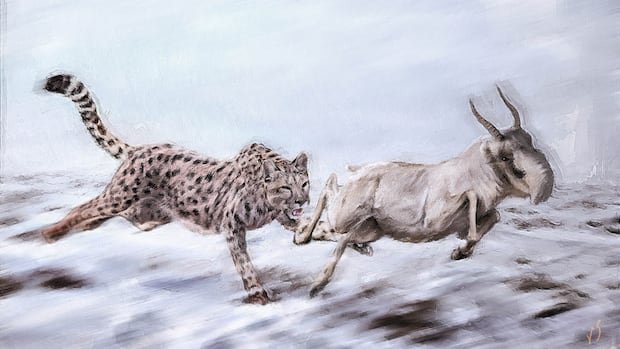

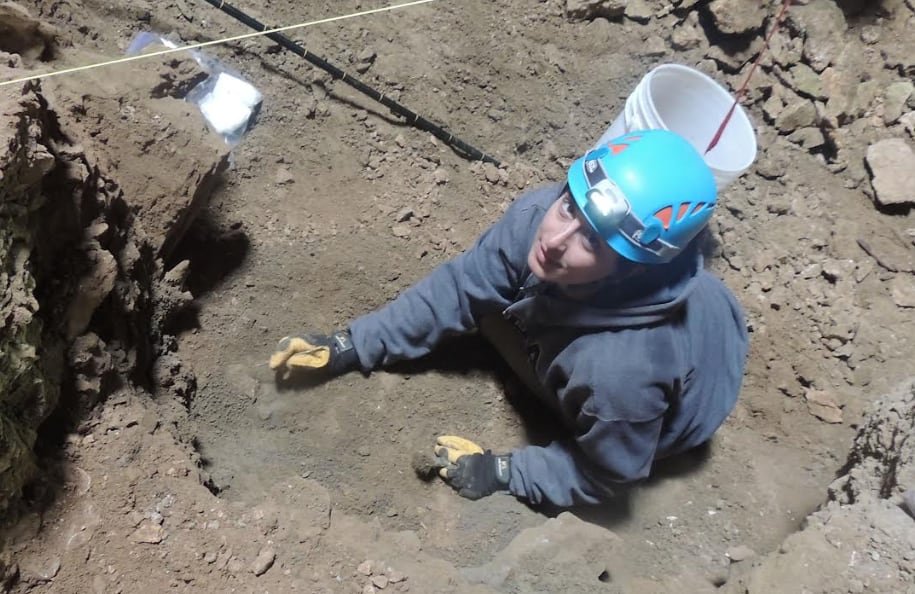
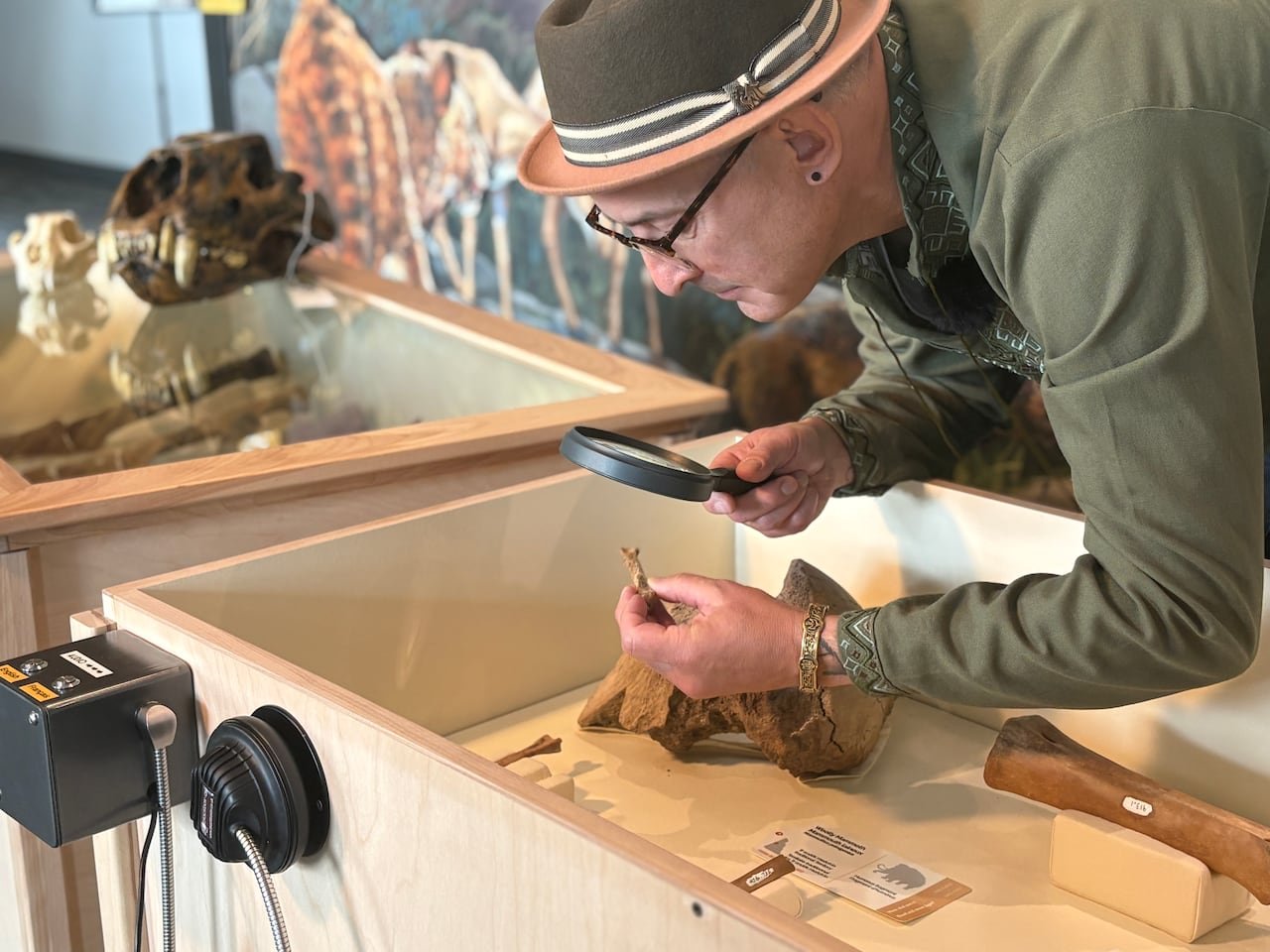
Bones discovered in the Bluefish Caves and a mine site in northern Yukon were initially thought to belong to an ice-age puma or cougar. However, DNA analysis conducted by the University of California revealed a different story.
The testing, carried out by Molly Cassatt-Johnstone, a lab technician who had just completed her undergraduate studies at the time, unveiled surprising results. The Yukon bones, among the first samples she had worked on, did not match the characteristics of pumas as expected.
Yukon paleontologist Grant Zazula vividly recalls his astonishment upon receiving the message that the presumed cougars were actually cheetahs. He described how, two and a half decades ago, exploring ancient DNA was considered almost like science fiction, akin to the concept in Jurassic Park.
Identifying a Yukon Miracinonyx, also known as the extinct American cheetah, marked a significant milestone for Cassatt-Johnstone. She is now the primary author of a research paper published in Current Biology, shedding new insights on the ice-age cat’s dietary habits and habitat.
‘Unraveling a Mystery’
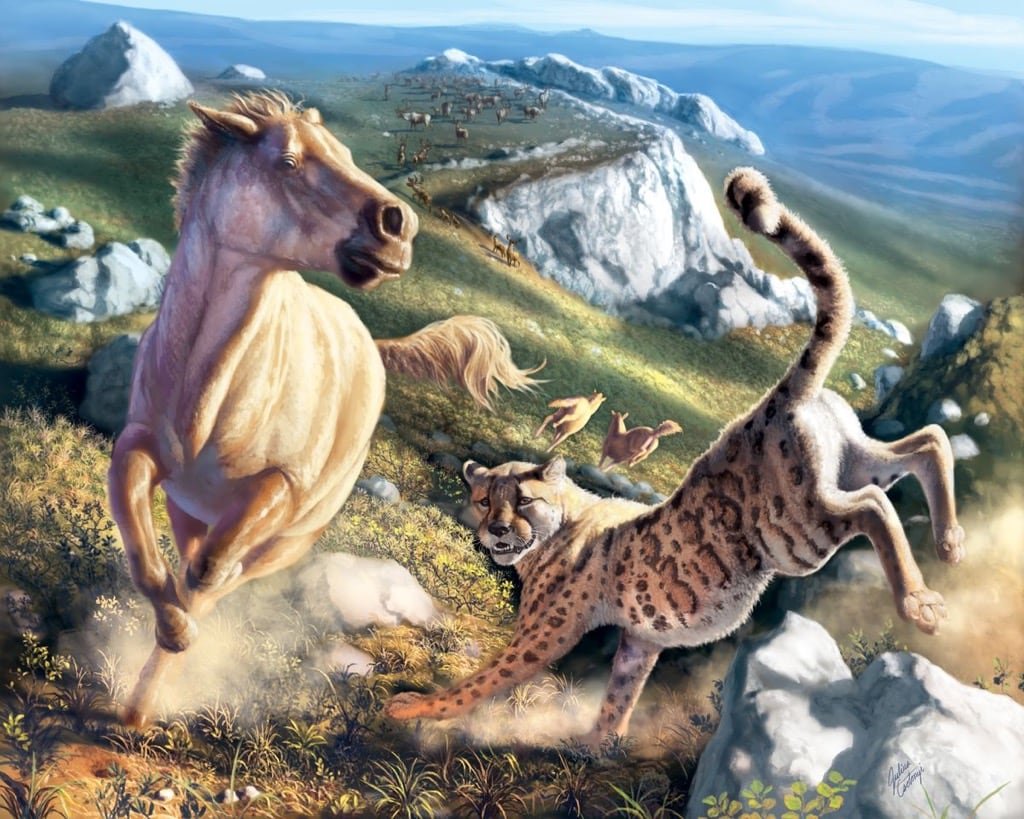
Previously, researchers believed the American cheetah, resembling modern cheetahs with long limbs and a slender physique, had evolved to pursue pronghorns across grassy plains. Discovering them in the Arctic tundra left paleontologists perplexed.
According to Cassatt-Johnstone, the American cheetahs were originally thought to be specialized predators of American pronghorn antelope in the lower 48 states, a notion challenged by their unexpected presence in the Arctic devoid of pronghorn.
Beringia, the region where Asia and North America were once connected, spanning present-day Russia’s easternmost region, Alaska, and the Yukon, posed a puzzle regarding how Miracinonyx thrived there.
To unravel this mystery, the study’s collaborators from Canada and the U.S. employed stable isotope analysis, a technique used in forensics to glean insights into the diets and environments of ancient species. Matthew Wooller, overseeing the analysis at the Alaska Stable Isotope Facility, highlighted the precision of the method, likening it to distinguishing between plain carrots and carrot cake based on tissue samples.
Wooller expressed fascination with the unprecedented data, emphasizing the uniqueness of the isotopic findings. It was revealed that Yukon cheetahs primarily subsisted on fish, a behavior uncommon among historical and contemporary feline species.
Investigating the unique dietary preference of Yukon cheetahs, paleontologist Julie Meachen, specializing in Late Pleistocene mammalian carnivores, compared their behavior in the Yukon with that in Wyoming, emphasizing distinct ecological adaptations.
Considering the presence of formidable competitors like Beringian lions and giant bears, the abundance of Yukon salmon likely provided a strategic advantage for the relatively small cheetahs.
The genetic analysis confirmed that Miracinonyx was more closely related to North American pumas than African cheetahs, with low genetic diversity suggesting limited adaptive potential, potentially contributing to their extinction.
<