
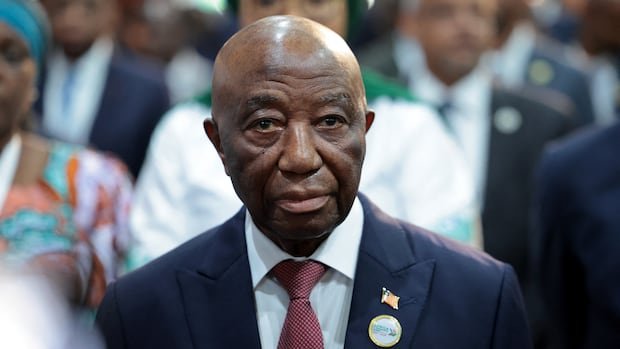

Liberia has agreed to receive a maximum of 1,200 deportees from the U.S. within the next year, with an initial batch of 20 expected to land on Thursday, according to a government announcement. The Liberian government stated on Tuesday that the deportees will comprise individuals from African and Western Hemisphere nations who have been medically cleared for travel.
Details regarding the specific nationalities of the deportees were not immediately disclosed, as the U.S. State Department refrains from sharing such information. While historically upholding the principle of non-refoulement in immigration practices, the current U.S. administration under President Donald Trump has engaged in agreements with various African nations and others globally to deport individuals who cannot be sent back to their home countries. These third-country arrangements have faced criticism for lack of transparency and due process.
Immigration lawyers have criticized these third-country deportations as exploiting legal loopholes, often resulting in individuals being sent to unfamiliar places and left with limited options to return to their countries of origin. Liberian President Joseph Boakai was part of a group of West African leaders who met with President Trump last year, during which Trump encouraged the leaders to accept third-country deportees.
In its statement, Liberia assured that the deportees would be treated as guests with the freedom to leave at their discretion and the opportunity to seek asylum within Liberia. The agreement was clarified not to involve any exchange with Washington, with Monrovia not seeking compensation for hosting the deportees.
Senate Democrats have raised concerns about the exploitative nature of such agreements, highlighting the financial costs and diplomatic pressure exerted on countries to accept deportees. Other African nations, including the Democratic Republic of Congo, Central African Republic, Cameroon, Ghana, and Sierra Leone, have also accepted third-country deportees from the U.S.
The Trump administration’s strategy to reduce the foreign-born population in the U.S. includes urging unauthorized individuals to self-deport and revoking visas from foreign nationals. Recent judicial decisions have allowed the administration to terminate legal protections for various immigrant groups, signaling a shift in immigration policies.
The termination of protected status designations for certain countries has sparked debates on the intended duration of such protections and their impact on immigrant communities. Organizations like the U.S. Chamber of Commerce have criticized these moves, citing potential economic repercussions and workforce shortages in key industries.
Amid these developments, the U.S. Conference of Catholic Bishops has condemned the negative portrayal of migrants in the country, emphasizing the need for compassion and understanding towards immigrant populations.