
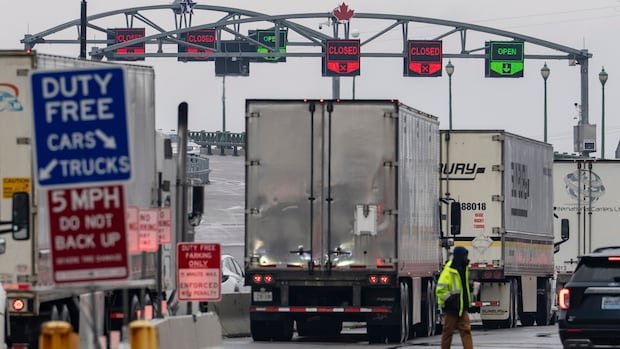

Enforcement of cross-border cargo regulations has significantly increased during the Trump administration, resulting in higher costs and delays for shippers. The implementation of tariffs along the Canada-U.S. border has led to heightened scrutiny and penalties, reflecting a more protectionist stance by the United States.
Breanna Leininger, overseeing U.S. operations at Pacific Customs Brokers in Vancouver, described the substantial changes in customs procedures. The demands for documentation on shipped goods have surged, with the frequency of customs inspections intensifying over the years.
Importers now face more stringent requirements to verify product classifications and trade agreements through extensive paperwork, including labor and manufacturing records. This evolving landscape of compliance poses challenges as the information requested by customs officials continues to evolve.
U.S. Customs and Border Protection data reveals a 26% increase in audits in comparison to the previous year, emphasizing the heightened enforcement measures. Trade penalties collected in the first half of this year soared to $70.6 million, a significant rise from previous years.
The escalating trade tensions between Canada and the U.S. have exacerbated border delays and increased the complexity of sourcing product records. These factors contribute to rising expenses and may deter cross-border commerce due to the additional time and costs incurred by businesses.
Alan Dewar, the executive vice-president at GHY, emphasized the significant financial implications of these enforcement changes, particularly related to storage costs and delays in transportation. The uncertainty and challenges faced by businesses navigating these new regulations have led some to reconsider cross-border trade opportunities.
U.S. Customs and Border Protection emphasized the importance of importers providing accurate information to ensure compliance with trade regulations. The agency continually adjusts its enforcement strategies based on risk assessments and trade dynamics.
Overall, the evolving enforcement landscape at the border underscores the increasing complexities and costs faced by businesses engaged in cross-border trade activities.