

In our weekly environmental newsletter, we focus on current trends and innovative solutions driving us towards a more sustainable future.
Considering the impact of air quality during the pandemic and frequent encounters with wildfire smoke, Anand reflects on how to raise awareness about unseen dangers.
This week’s highlights include the concept of wearing an air-quality warning device, the significant threat of El Niño, and the utilization of solar power in Arctic regions.
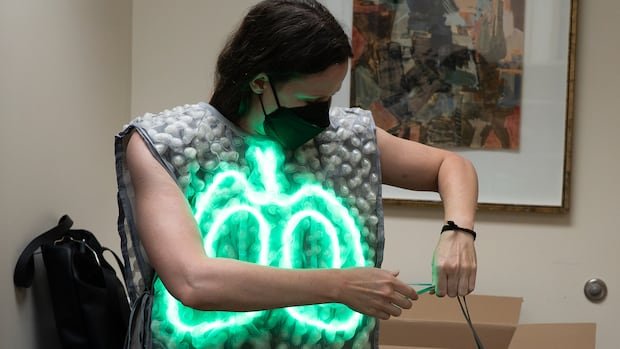
Grace Grothaus, a postdoctoral researcher at York University, showcases her AtmoSpheres 01 prototype, which illuminates green lungs to visually represent air quality levels. The device detects PM2.5 and black carbon pollutants, translating the data into color-coded lights based on the U.S. Environmental Protection Agency’s air quality index.
The article emphasizes the importance of addressing invisible pollutants through art, as seen in the works of Michael Pinsky, who uses installations to convey environmental messages. Grothaus is developing a portable air quality sensor called AirWear, aiming to engage the community in monitoring air quality through innovative design and functionality.
The Ikayuut solar and energy storage project in Naujaat, Nunavut, signifies a shift towards renewable energy, reducing diesel consumption and showcasing the potential for sustainable energy solutions in remote communities.
As we explore these environmental advancements and challenges, it’s evident that combining art, community engagement, and innovative technologies is key to fostering a greener and healthier future.