
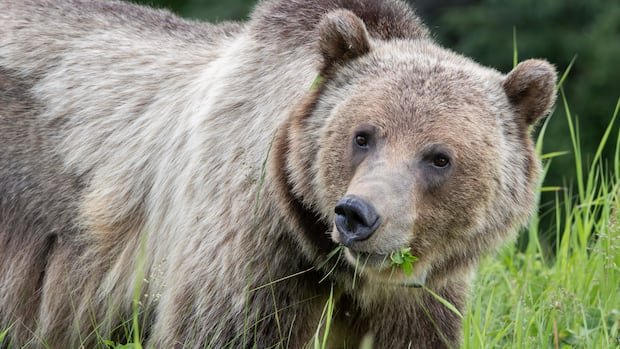

Provincial authorities are currently investigating the illegal killing of multiple grizzly bears in Alberta. According to reports from the province provided to CBC News, the Alberta Fish and Wildlife Enforcement Services are looking into the deaths of four grizzly bears at three separate locations.
On September 30, one grizzly bear was discovered shot dead along a road approximately 20 kilometers north of Swan Hills, situated northwest of Edmonton. The following day, on October 1, another grizzly bear was found deceased in a remote area between Little Smoky and Fox Creek, with all four of its paws missing. These incidents follow the discovery of two grizzly bears shot dead in June near Sundre, about 95 kilometers northwest of Calgary. In March of the same year, public assistance was sought in a poaching investigation after a grizzly bear was found dead from a gunshot wound in November 2025.
Hunting grizzly bears has been prohibited in Alberta since 2006, except for Indigenous hunters engaging in subsistence or cultural harvesting. The province urges anyone with information on these poaching cases or other suspected wildlife violations to contact the Report-A-Poacher line or submit a report online at alberta.ca/report-poacher. Informants whose tips lead to charges being filed may qualify for a cash reward through the Report-A-Poacher program.
Gordon Stenhouse, a prominent biologist specializing in Alberta’s grizzly bear population research, expressed disappointment at the recent spate of grizzly bear shootings and the abandonment of their bodies. Stenhouse emphasized that such actions demonstrate a clear lack of regard and respect for wildlife, particularly a threatened species like the grizzly bear.
Mark Boyce, an ecology professor at the University of Alberta, noted that while poaching may not be a primary concern for grizzly bear conservation, the recent incidents are regrettable. Boyce highlighted the existence of a black market for grizzly bear paws, underscoring the illegal nature of both poaching and trading in bear parts.
Bear safety expert Kim Titchener emphasized the need for improved co-existence between humans and bears to mitigate conflicts. Titchener stressed the importance of implementing resources like electric fencing, guard dogs, and bear-resistant containers in communities bordering bear habitats to prevent fatal encounters and reduce the need for lethal interventions.
The Alberta government’s ongoing efforts include investing in initiatives to deter large carnivores from rural properties and supporting BearSmart programs across the province to minimize human-wildlife conflicts and safeguard grizzly bear populations. While the province estimates around 1,000 grizzly bears currently inhabit Alberta, no comprehensive population study has been conducted since 2018.