
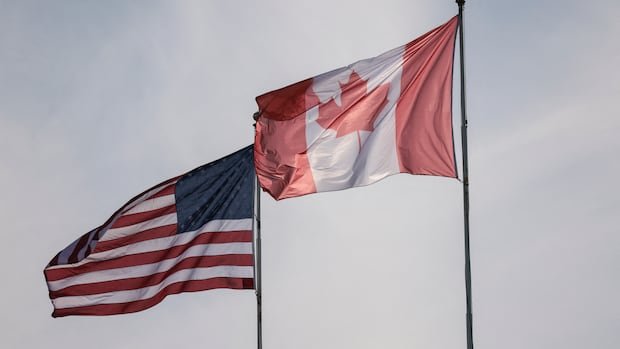

Canada and the United States find themselves engaged in a full-fledged trade dispute, with potential repercussions that may prove harder to dismiss. Trade negotiations between the two nations fell apart last week, leading to the imposition of U.S. tariffs at a rate of 50 per cent on $27.6 billion worth of Canadian goods.
In retaliation, Prime Minister Mark Carney announced plans for “dollar-for-dollar” counter-tariffs on $27.6 billion worth of similar U.S. products, scheduled to come into effect on September 8. Furthermore, U.S. President Donald Trump has threatened additional tariffs, proposing an increase in levies on Canadian vehicles, auto parts, and steel from 25 per cent to 50 per cent starting January 1, 2027.
Neither side appears willing to back down, prolonging the standoff and heightening concerns over the potential impact on Canadians. To assist individuals and businesses in weathering the new tariffs, Ottawa has allocated $7.5 billion in support.
As tensions escalate, correspondents in Washington, including Willy Lowry, Katie Simpson, and Paul Hunter, delve into the severity of the ongoing trade war and explore the prospects of resuming negotiations between the two sides.
The trade conflict is expected to present challenges for Canadians, particularly small to medium-sized businesses and communities heavily reliant on the affected industries. The strategic imposition of tariffs by the U.S. is likely to create economic hardships, prompting worries about financial stability, access to basic necessities, and the ability to support education and recreational activities for families.
With no clear resolution in sight, the situation may worsen in the coming weeks and months, necessitating potential government intervention to support those facing job losses or reduced working hours.
Amid the mounting pressures, there is a growing emphasis on national pride and support for domestic products in Canada. However, the disparity in population size between Canada and the U.S. underlines the importance of the American market for the Canadian economy, making the trade dispute increasingly challenging for local businesses and employers.
While past measures have somewhat mitigated the impact of tariffs, the current escalation indicates a shift in the Canada-U.S. relationship and poses a test of resilience for both nations. The evolving dynamics underscore the need for a potential de-escalation to alleviate the strain on businesses and individuals affected by the trade dispute.