
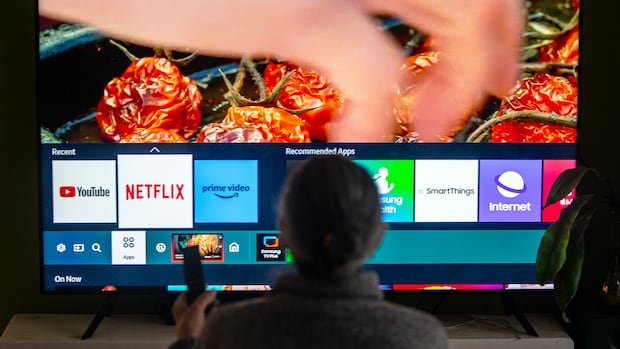

Canada and the United States are engaged in a trade dispute that extends beyond traditional goods like dairy and car parts to include digital content on platforms like Netflix. The Globe and Mail reported that U.S. negotiators asked Canada to eliminate requirements for American streaming services to promote Canadian content, including French-language content. However, the Canadian government, led by Prime Minister Mark Carney, stood firm in defending its sovereignty, language protection, and cultural values, refusing to compromise during trade talks.
The conflict stems from a long-standing disagreement between Canada and American streaming giants over Canadian content regulations. To address the rise of streaming platforms like Netflix and Amazon Prime, the Canadian government introduced the Online Streaming Act in 2022 to ensure these services contribute to Canadian content creation. Despite opposition from American companies, the law passed in April 2023, delegating the regulation of contributions to the Canadian Radio-television and Telecommunications Commission (CRTC).
The CRTC later mandated that online streaming services with revenues over $25 million allocate five percent of their Canadian earnings to support local programming and Indigenous content. This decision faced legal challenges from companies like Netflix and Disney Plus. In response, the CRTC increased the contribution rate to 15 percent, prompting criticism from the Motion Picture Association (MPA) for being discriminatory.
The government then intervened to reconsider the levy increase, expressing concerns about potential price hikes for consumers. Amidst ongoing disputes, the attorney general’s office revealed plans to replace the contributions with taxpayer funding. The government also abolished the digital services tax in June 2025 as part of trade negotiations with the U.S.
The debate surrounding the Online Streaming Act goes beyond financial obligations, focusing on the promotion and accessibility of Canadian content on digital platforms. Legal expert Michael Geist highlighted the government’s stance on regulating cultural distribution, emphasizing the importance of Canadian culture despite changes in funding mechanisms.
Additionally, Quebec passed a law requiring streaming services to enhance the visibility of French-language content, reflecting a broader trend of cultural sovereignty efforts in digital environments. The American government’s interest in these cultural policies may stem from a historical strategy of promoting American content globally as a form of soft power projection.