
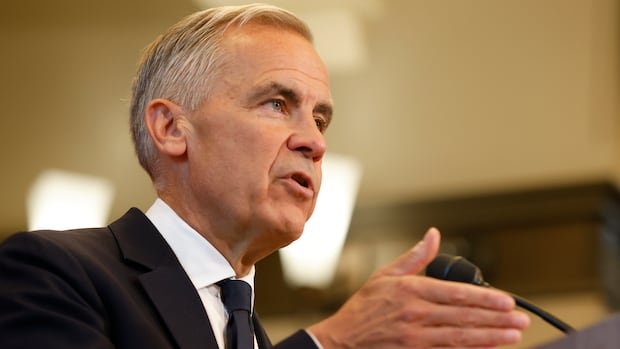

Prime Minister Mark Carney revealed his decision to walk away from negotiations with the Trump administration due to unreasonable demands that would harm key Canadian industries like auto, steel, and aluminum. Carney highlighted the breakdown of talks during a speech in Quebec, stating that the proposed terms from the U.S. were unacceptable.
While the specifics of the failed deal remain undisclosed by the federal government, Ontario Premier Doug Ford characterized it as unfavorable and commended Carney for not agreeing to it. Flavio Volpe, a member of Canada’s advisory committee, mentioned that disagreements arose when the detailed agreement did not align with earlier discussions.
A crucial point of contention was the exclusion of medium- and heavy-duty trucks from tariff relief, impacting major North American pickup truck manufacturers based in Ontario. The proposed reduction of tariffs on Canadian autos by the U.S. was also a key sticking point that led to the breakdown of negotiations.
Additionally, the U.S. aimed to restrict Canada’s ability to engage in independent trade agreements and proposed applying sectoral tariffs on steel and aluminum to Canadian trading partners. Carney emphasized that any alignment with sectoral tariffs should benefit Canada, not solely comply with U.S. demands.
The discussions also touched on issues related to bilingual product labeling and French-language content regulations on streaming platforms. The Americans’ push for permanent sectoral tariffs was met with resistance from Canadian officials, who sought a more favorable deal for their industries.
Despite the failed negotiations, Carney’s decision to walk away has garnered support from a majority of Canadians, with polling indicating approval for his stance. Moving forward, Canada remains cautious about returning to the negotiation table unless there are substantial offers that benefit its economy and industries.