
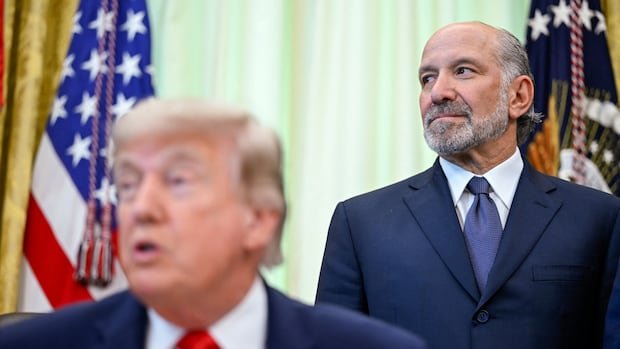

U.S. Commerce Secretary Howard Lutnick, a key member of President Donald Trump’s cabinet, is reportedly discontent with the current state of the trade deal negotiations with Canada. Sources familiar with the discussions revealed that Lutnick, a significant player in the Trump administration’s economic policies and a longtime acquaintance of the president, believes that the United States could secure a more favorable agreement than the one currently on the table.
Particular attention was drawn to the potential reduction of sectoral tariffs, specifically the proposal to lower the tariff on Canadian-manufactured automobiles from 25% to 15%. Lutnick expressed concerns that such a decrease could hinder efforts to promote domestic production within the U.S.
While the sources did not disclose their identities due to lack of authorization to discuss the matter, they emphasized that Lutnick’s reservations about the agreement do not pose a threat to the deal. However, his dissatisfaction contrasts with the positive outlook conveyed by President Trump, Prime Minister Mark Carney, and the respective trade negotiation teams in recent public statements.
The U.S. Trade Representative, Jamieson Greer, expressed satisfaction with the progress on Wednesday, highlighting confidence in the agreement’s ability to safeguard American workers, jobs, and supply chains while bolstering the national economy.
In response to queries, the U.S. Department of Commerce did not refute reports of Lutnick’s disappointment with the terms. An email statement affirmed that Secretary Lutnick and the team are actively engaged in direct negotiations with their Canadian counterparts to secure the best possible deal for the United States.
The ongoing negotiations aim to finalize a trade agreement before the expiration of Trump’s temporary suspension on new tariffs against various Canadian goods. The terms of the deal, which remain undisclosed, are rumored to involve reduced sectoral tariffs impacting Canadian industries like aluminum, steel, and automobiles. In return, Canadian premiers may consider lifting provincial restrictions on American alcohol sales.
As discussions continue, the White House refrained from confirming specific details, emphasizing that any reports on the deal should be treated as speculation until officially announced. Amidst the finalization efforts, both President Trump and Prime Minister Carney have expressed optimism about the potential agreement’s benefits for both nations.
The trade representatives of both countries engaged in further discussions as the deadline approached, with Canadian Trade Minister Dominic LeBlanc indicating proximity to reaching a deal after a recent meeting. The proposed agreement includes adjustments to tariffs on Canadian steel, potentially incorporating a quota system, and alterations to dairy licensing that could increase American dairy products in Canadian markets.
Tariffs have been a cornerstone of the Trump administration’s economic agenda, with Lutnick’s role as commerce secretary wielding significant influence over trade and tariff policies. His alignment with President Trump’s stance on tariffs as instruments to protect American businesses and promote domestic manufacturing is well-documented.
Lutnick’s active involvement alongside Trade Representative Greer in negotiations with Canadian officials underscores the administration’s commitment to securing trade deals that prioritize American interests. The relationship between Lutnick and Trump, rooted in decades of business and social connections, has been subject to media scrutiny for its potential impact on trade policies and international relations.
Throughout the trade discussions with Canada, Lutnick has consistently advocated for tariffs as a means to safeguard American interests, often criticizing Canadian trade practices on national television platforms. Despite occasional tensions, the negotiations underscore the ongoing efforts to reach a mutually beneficial trade agreement between the two countries.