
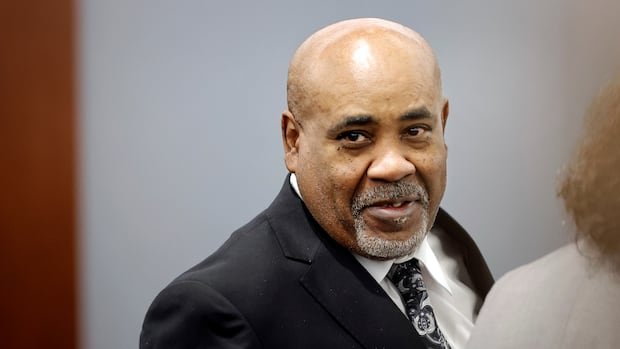

In a 2008 police interview recording, Duane (Keffe D) Davis disclosed to detectives that his nephew Orlando (Baby Lane) Anderson was the one who fired the fatal shots that resulted in the death of rapper Tupac Shakur. Davis, who claimed to have been present in the car with Anderson during the incident, is currently facing charges for allegedly orchestrating the 1996 killing of the 25-year-old hip-hop icon in Las Vegas.
During the interview with the Los Angeles police, Davis recounted that the white Cadillac he and Anderson were traveling in, along with two other individuals, pulled up beside a vehicle carrying Shakur and hip-hop mogul Marion (Suge) Knight. Davis mentioned that he was prepared to use his weapon but eventually passed it to Deandre “Big Dre” Smith since Knight’s car was on the opposite side. Smith refused the gun, leading to Anderson taking it and commencing the gunfire, as per Davis’s account.
Jurors were shown a transcript of the audio recording, with some taking notes while the interview played. This marked the first time Davis openly discussed his role in the shooting with law enforcement. The prosecution emphasized the significance of Davis’s admissions during police interviews, podcasts, and his co-authored memoir, “Compton Street Legend,” in building their case against the 63-year-old defendant.
Despite his claims of innocence, Davis’s lawyer dismissed the prosecution’s version as fabrication, asserting that Davis’s statements lacked substantiating evidence. Davis had initially been a suspect in the unsolved 1997 shooting of Shakur’s rival, the Notorious B.I.G., before being cleared.
Prosecutors argued that Davis violated the confidentiality agreement by divulging details of the shooting in subsequent interviews and publications, thereby undermining any protection he had regarding his statements to law enforcement. They alleged that Shakur’s killing was a retaliatory act following an altercation between Shakur’s entourage and Anderson earlier at the MGM Grand.
In his account detailed in “Compton Street Legend,” Davis described encountering Shakur later that evening in a black BMW, where Lane initiated the gunfire. Davis admitted to believing Knight was fatally wounded in the incident. Tupac Shakur’s legacy endures as a cultural icon and revered figure in the rap industry, with his influence and impact continuing to resonate even decades after his tragic demise.