

A recent study predicts a warmer and wetter future for northeastern British Columbia, along with more extreme weather events for communities that have faced significant natural disasters in the last decade. By the 2050s, average temperatures in the region are expected to increase by up to three degrees, rising to five degrees by the 2080s. This shift could make summers feel similar to those in the Okanagan and January temperatures akin to historical March levels.
The Fraser Basin Council’s researchers anticipate these changes will have far-reaching effects on infrastructure, water resources, and emergency response strategies for floods, wildfires, and evacuations in the region. The study, funded by the federal government and conducted for local governments and Indigenous communities, highlights the region’s vulnerability to extreme events.
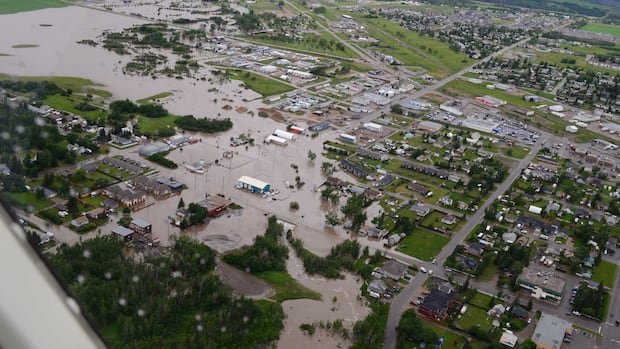
Recent years have seen severe floods severing the region’s main road link to the Lower Mainland in 2016, and escalating wildfires, including the largest recorded in British Columbia’s history in 2022, leading to widespread evacuations. These disruptions have lasting impacts, emphasizing the need for proactive planning and adaptation.
The City of Fort St. John has emerged as a refuge for wildfire evacuees, placing increased demands on city staff and volunteers. Chief Administrative Officer Milo MacDonald emphasized the city’s commitment to supporting neighboring communities during emergencies and acknowledged the growing challenges posed by climate change.
MacDonald noted that rising temperatures are already affecting city operations, with an increase in freeze-thaw cycles damaging infrastructure. The region is projected to experience double the number of freeze-thaw days by 2080, posing significant challenges for maintenance and development.
The report also underscores concerns about water resources in northeastern B.C., anticipating longer growing seasons, more intense heatwaves, and reduced snowfall in spring and fall. These changes are expected to lead to more frequent droughts and low streamflows, heightening the importance of water management and infrastructure planning.
In response to past water shortages and infrastructure damage from floods, communities like Dawson Creek have been investing in new water supplies and rebuilding essential infrastructure. With water scarcity already a concern, planning for future challenges is crucial to ensure resilience and sustainability.
As climate change continues to impact the region, proactive measures and community collaboration will be essential in adapting to the evolving climate conditions and mitigating the risks posed by extreme weather events and environmental changes.