
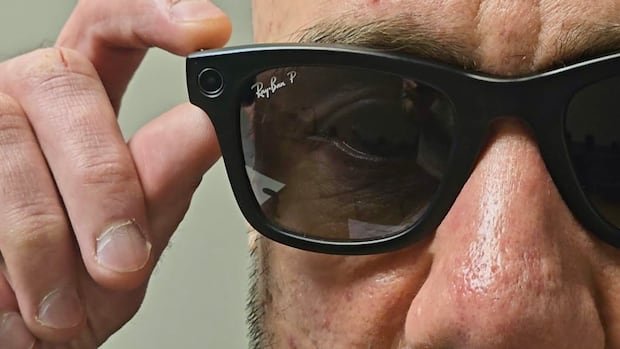

Norway is considering imposing a temporary ban on smart glasses in certain public spaces to address both the potential benefits and risks associated with these devices. The government aims to regulate smart glasses in areas where privacy is deemed crucial, such as healthcare facilities, gyms with changing facilities, and venues frequented by children like schools and playgrounds. The proposed ban would also encompass public events, parks, beaches, museums, and shopping centers.
The government intends for the temporary ban to provide time for deliberation on which types of devices should be affected and whether permanent regulations are necessary. It emphasizes that the proposal does not entail a complete prohibition but rather aims to restrict smart glasses in specific settings while allowing them for private use in other contexts.
Privacy advocates have praised Norway’s initiative, highlighting the importance of protecting individuals’ privacy rights in the face of advancing technologies like smart glasses. Despite efforts to promote responsible usage, concerns persist regarding the potential misuse of AI glasses for unauthorized recording or surveillance in private settings.
In response to these developments, some businesses have taken proactive measures to address privacy concerns related to smart glasses. For instance, a prominent eyewear retailer in the Netherlands has halted sales of certain AI glasses amid growing apprehension surrounding their usage.
The global debate on smart glasses and their implications for privacy and security continues to evolve, with various countries and organizations grappling with how to strike a balance between technological innovation and safeguarding individual rights.