

The G7 countries have announced plans to release 100 million barrels of oil, with a focus on supplying significant amounts of diesel, in response to the recent surge in fuel prices in the United States.
U.S. President Donald Trump took to social media to confirm that the release of diesel would commence immediately. The G7 leaders have committed to initiating a substantial diesel release within the next 20 days, with the remainder spread out over a four-month period.
President Trump and the Republican Party are under pressure to tackle the escalating prices, especially with the upcoming Nov. 3 midterm elections looming. The President’s approval ratings have been slipping due to the impact of the Iran conflict and trade disputes on oil and consumer goods prices.
The cost of gas and diesel has skyrocketed during the extended conflict, with Trump justifying the expenses as necessary to prevent Iran from acquiring nuclear weapons. He has assured the public that prices will decrease post-conflict, although there is currently no clear end in sight.
In Canada, the average diesel price stands at $2.63 per liter, with some cities like Vancouver experiencing even higher prices, around $2.71 per liter. These heightened costs are putting strain on transport truck drivers and farmers who heavily rely on diesel to operate their vehicles and machinery.
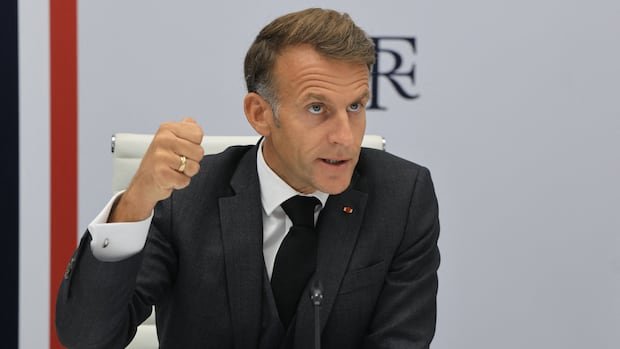
France, as the current holder of the G7 presidency, made the announcement following a videoconference chaired by French President Emmanuel Macron. The G7 member countries, along with the EU, have tasked the International Energy Agency with coordinating efforts to address the soaring fuel prices.
The commitment involves a coordinated release of 100 million barrels of oil over four months, with an immediate substantial diesel release in the first 20 days by G7 members and partners, as stated in the official announcement.
This decision follows a previous agreement in March where the International Energy Agency members pledged to release 426 million barrels of oil and products to stabilize the oil market.
Additionally, after Trump’s proposal to ban diesel exports to lower domestic gas prices, experts caution that such a move could have adverse effects on the global fuel market and further escalate prices worldwide.
The G7 statement also emphasized their mutual agreement not to impose energy export restrictions on each other, urging all producers to refrain from actions that could worsen market tensions.
Trump and Macron discussed the necessity to address rising fuel costs and petroleum product availability before the videoconference, according to the French Embassy in the U.S. A recent AP-NORC poll revealed that a majority of U.S. adults hold Trump responsible for the price hikes, leading to a decline in his approval rating for handling economic matters.