
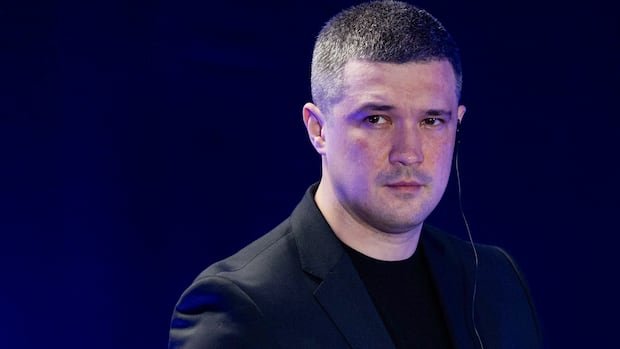

Ukrainian President Volodymyr Zelenskyy is facing renewed pressure to conduct wartime elections, despite the constitutional restriction on holding elections during martial law. Mykhailo Fedorov, the former defense minister recently dismissed from his position, has urged for the implementation of a legal and feasible mechanism for Ukraine to resume its democratic processes amidst ongoing conflict with Russia.
Although no specific timeframe has been outlined, Fedorov’s proposition for elections has sparked debate, with some questioning the practicality of such a move given the current state of war. The political implications of the election discourse present a challenge that Zelenskyy cannot disregard, whether elections are imminent or not.
Tymofiy Mylovanov, a former Ukrainian government minister, emphasized the significance of Fedorov’s call for elections as a significant domestic political issue. However, the likelihood of immediate elections remains uncertain. Pressure from continued protests could potentially prompt Zelenskyy to address the possibility of holding elections in the future, either post-war or under wartime circumstances.
Fedorov, known for his reformist approach and technological acumen, served as a key member of Zelenskyy’s government before his dismissal. His advocacy for drone warfare in countering Russian aggression had garnered attention during his tenure. Despite his removal from office, Fedorov maintained his stance on refusing alternative positions within the government, emphasizing his commitment to the defense ministry role.
The feasibility of conducting elections amid the ongoing conflict with Russia has raised doubts among various stakeholders. Concerns about logistical challenges, including the participation of military personnel and displaced citizens, have been highlighted. Lesia Bidochko, a policy fellow, expressed skepticism regarding the practicality of organizing elections at this juncture, labeling Fedorov’s election push as populist without a clear implementation strategy.
The debate on wartime elections has also drawn international attention, with Orysia Lutsevych cautioning against the risks associated with such a move. The potential for external interference and division within Ukraine could be exploited by Moscow, posing a threat to national unity. Zelenskyy’s response to Fedorov’s call remains pending, with his communication adviser emphasizing the ongoing challenges posed by Russian military actions.
In light of the complexities surrounding the election discourse, concerns have been raised about the constitutional requirements for holding elections during wartime. The need for a constitutional amendment under martial law conditions adds a layer of complexity to the electoral process, making it a challenging endeavor.
Amidst the ongoing debates and pressures, the issue of conducting wartime elections in Ukraine continues to be a contentious subject, with implications for the country’s future trajectory and stability.