
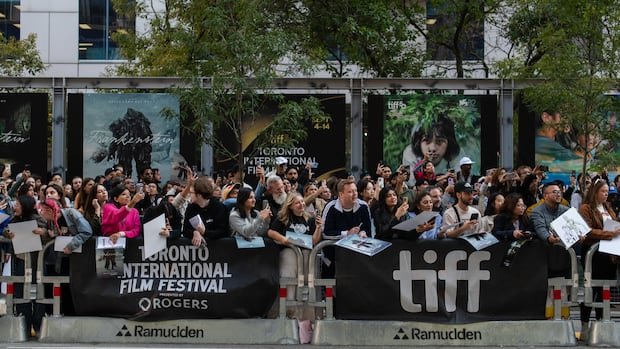

The Toronto International Festival has long been known as a trendsetter, attracting movie stars who kick off their Oscar campaigns unofficially. However, with major films and top-tier celebrities increasingly opting for other festivals for their premieres, TIFF is reimagining itself by focusing more on the business aspect of buying and packaging movies.
Amid industry turmoil, this shift could help TIFF remain relevant, but with rising ticket costs, the impact on the festival’s core audience, the film-loving public, is a key concern. Let’s delve into TIFF’s transformation towards a more business-oriented approach, along with some noteworthy films worth catching.
TIFF is adjusting its spotlight towards dealmaking, following a trend post-pandemic where many high-profile titles like “Primetime” starring Robert Pattinson and “You Can See Everything” by Nathan Fielder are choosing venues like Venice or Telluride for their world premieres over TIFF. In response, TIFF is evolving to embrace dealmaking and strategic sessions akin to other major festivals.
Thanks to a $23 million boost from Ottawa, TIFF: The Market is offering 70 sessions and events centered on film, television, and interactive content. Projects such as a sci-fi film featuring Russell Crowe and Priyanka Chopra, a romantic comedy with Colin Firth and Halle Berry, and a new installment in the “Air Bud” series are among those being presented.
However, just as there is fierce competition for red carpet premieres, TIFF faces rivalry from other industry players, notably the Cannes marketplace, a prominent event that sets the tone for the year. For instance, Jordan Firstman’s “Club Kid” sparked bidding wars after debuting at Cannes, with its Canadian premiere set for TIFF.
While TIFF aims to position itself as a fall alternative to Cannes, it also competes with the American Film Market in Los Angeles. As the festival landscape evolves, TIFF is highlighting emerging markets in Africa and Asia, amidst U.S. President Donald Trump’s discussions on new incentives to encourage American film production domestically.
As TIFF’s focus shifts towards business engagements, questions linger about the festival’s essence for film fans who eagerly anticipate the experience of attending screenings and celebrity red carpet events. Despite boasting a track record of predicting best picture winners, ticket prices are climbing, potentially limiting public access to the festival’s offerings.
Although the number of A-list attendees at TIFF may be dwindling, several highly anticipated films are still making waves in Toronto this fall. For instance, director Danny Boyle’s “Ink” explores the rise of The Sun tabloid newspaper, while “The Debut,” directed by Jesse Eisenberg, tells a heartfelt story set in the world of community theater.
Moreover, TIFF’s programming now includes a mix of TV series showcased in the Primetime program. Titles like Apple TV’s “Slow Horses” and the upcoming series “Yaga” featuring Hudson Williams and Carrie-Anne Moss promise to captivate audiences with their intriguing storylines.
Furthermore, the festival celebrates Canadian cinema with a diverse selection of homegrown titles this year. From documentaries like “Neil Peart: No One’s Disciple” to unconventional films like “Ladies and Gentlemen, Brian Mulroney,” TIFF offers a platform for Canadian filmmakers to shine.
In conclusion, as TIFF navigates the changing landscape of the film industry, its focus on business dealings and diverse programming reflects a strategic shift towards staying relevant amidst evolving trends and competition.