
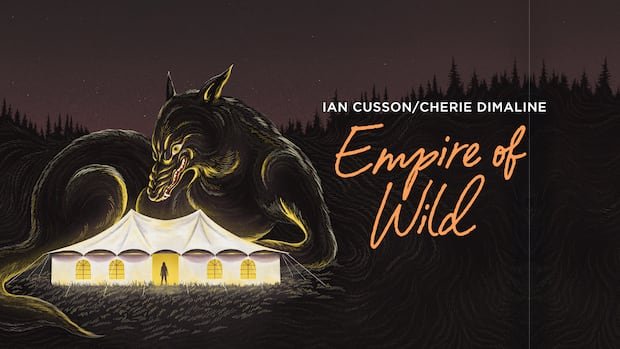

In the novel “Empire of Wild” by Cherie Dimaline, a multi-generational female trio endeavors to rescue their loved one from the clutches of the werewolf-like Rogarou, aiming to find a missing husband and safeguard their property from corporate interests. This compelling narrative, filled with raw, sensual, and intense elements, earned the distinction of being Indigo’s top book in 2019, surpassing renowned titles such as Margaret Atwood’s “The Testaments” and Taylor Jenkins Reid’s “Daisy Jones & The Six.”
With an investment of approximately $4 million, an Indigenous-led creative team is set to adapt the book into an opera, slated for a world premiere in Toronto next spring. This bold move aims to attract a younger audience and newcomers to the opera scene while potentially challenging traditionalists who favor the classic repertoire.
The setting of “Empire of Wild” unfolds in the Penetanguishene Métis community in Georgian Bay, Ontario, where author Cherie Dimaline has roots. Composer Ian Cusson, also hailing from that region, drew inspiration from his upbringing and folklore recollections shared by his mother, particularly recognizing the Rogarou character in the book.
The collaborative efforts of Cusson and Dimaline in crafting the opera’s modern characters reflect a desire to resonate with contemporary audiences. The inclusion of diverse elements like queer identities and working-class dynamics adds depth to the narrative, presenting relatable scenarios amidst extreme circumstances.
The opera’s exploration of power dynamics, resistance, and resilience lies at the core of “Empire of Wild.” The story revolves around Joan, whose husband vanishes following a dispute over land sale, only to resurface under suspicious circumstances linked to industrial interests. Through ancestral magic and a theme of intergenerational support along matrilineal lines, Joan navigates a world fraught with dark forces and enigmatic powers.
Featuring a talented cast embodying a range of cultural backgrounds, the production showcases a narrative rich in Indigenous storytelling traditions. The nuanced portrayal of resilience and survival resonates with diverse Indigenous experiences, highlighting the enduring cultural heritage amid societal challenges.
This groundbreaking opera, spearheaded by Indigenous creators, symbolizes a moment of resurgence and innovation within Indigenous communities across various sectors. Embracing an inclusive approach to artistic collaboration, the team aims to redefine traditional artistic structures by fostering a culture of equality and diverse voices in the creative process.
As the opera industry witnesses this transformative endeavor, composer Ian Cusson envisions a future where such inclusive practices become the norm, heralding a new era of artistic expression and cultural representation.