
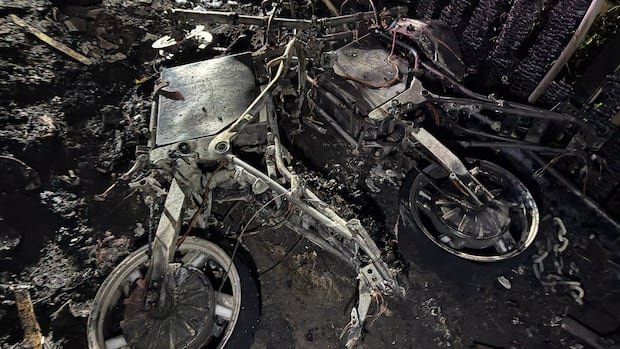

Firefighters have expressed concerns regarding the emergence of intense and challenging lithium battery fires in various locations, including e-bikes in homes like those in Toronto and Peterborough, Ontario, and large storage batteries at a Prince Edward Island solar farm. These incidents have raised alarms and led to bans on electric bikes and cars in certain buildings, public transit, and ferries, impacting individuals dependent on these modes of transportation. Additionally, the incidents have instilled hesitancy in some individuals about adopting electric vehicles.
This week marks Fire Prevention Week, with a focus on lithium batteries as the central theme. Understanding the complexities of lithium battery fires is crucial to mitigate risks effectively.
While Canadian fire departments lack consistent tracking of lithium battery fires, estimates from the Canadian Association of Fire Chiefs suggest that approximately 1,500 fires attributed to lithium batteries occurred in 600 communities across the country last year. Notably, these incidents are more prevalent in household devices like e-bikes and e-scooters.
Compared to household devices, electric vehicle (EV) and energy storage batteries undergo rigorous testing and include safety features like temperature sensors and cooling systems. Although specific nationwide statistics on EV fires in Canada are unavailable, U.S. data indicates that such incidents are exceedingly rare when contrasted with fires in gasoline-powered vehicles.
Lithium battery fires are primarily triggered by breaches in the barriers separating positive and negative terminals, leading to short circuits and subsequent fires. These breaches can result from wear and tear, physical damage like collisions, or improper charging practices such as overcharging or using incorrect chargers.
The distinct dangers of lithium battery fires stem from their ability to burn intensely and rapidly, reaching thermal runaway and sustaining chemical reactions that fuel the fire. Moreover, these fires produce their own oxygen, making conventional firefighting methods ineffective. Additionally, they generate toxic substances and can reignite days or weeks after the initial incident.
When handling lithium battery fires, experts recommend allowing the fire to burn out in many cases, especially for large energy storage batteries. Traditional firefighting methods like water application may only prolong the fire and pose environmental contamination risks.
To reduce the risks associated with lithium battery fires, it is advised to purchase certified batteries with safety labels, charge devices correctly, and recycle damaged batteries at designated drop-off sites. Implementing these precautions can help prevent potential fire hazards and ensure safer battery usage practices.