
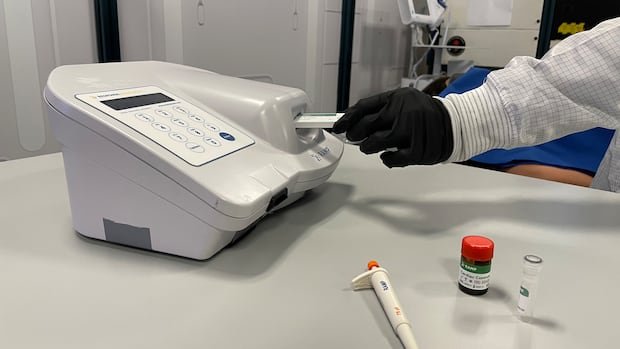

On October 1, Canadian astronaut Joshua Kutyrk is scheduled to launch from Cape Canaveral, Florida, carrying innovative Canadian technology. Living and working in space poses challenges due to the effects of low gravity on the human body, including the potential risk of blood clots. To address this concern, NASA has collaborated with the Canadian Space Agency (CSA) to utilize advanced technology developed by Vancouver-based Response Biomedical.
The technology, known as Acute Care Testing in Space (ACTIS), is based on the company’s existing RAMP technology and is capable of detecting the presence of D-dimer in blood, a critical indicator of clot formation. This device not only aids in identifying blood clots but also enables testing for heart attacks, COVID-19, RSV, and more. The efficiency of the device allows for quick blood tests, providing results within minutes, which is crucial for both astronauts in space and individuals in remote communities on Earth.
NASA’s selection of CSA for this project was influenced by CSA’s expertise in health and life science research on the space station. The potential success of ACTIS on the International Space Station opens up possibilities for its application in future human space exploration missions, including potential journeys to the moon or Mars. Both CSA and Response Biomedical view this collaboration as a significant achievement for Canada, showcasing the adaptability and value of Canadian technology in the realm of space exploration.