
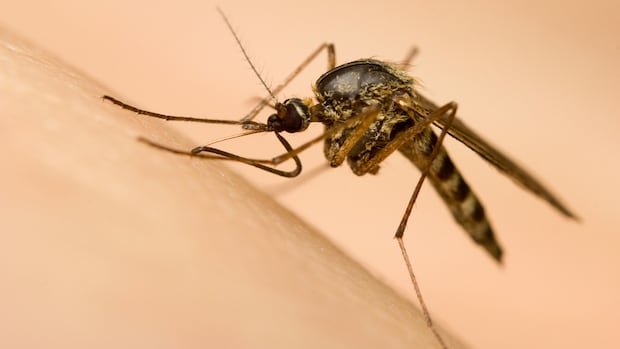

This summer, many prairie cities faced a surge in mosquito activity, leading to a shortage of bug spray in stores across Manitoba, Saskatchewan, and Alberta due to high demand. Data from the City of Edmonton revealed a significant increase in mosquito numbers, 15 times higher in July compared to the same period last year, although not record-breaking figures for the region.
Saskatoon and Winnipeg also reported elevated mosquito populations in July compared to the previous year. Experts in southern Ontario attribute the prolonged mosquito season and increased mosquito presence to the record rainfall experienced in the region this summer. Fiona Hunter, a professor specializing in entomology, highlighted the prevalence of the Ochlerotatus trivittatus species in southern Ontario this year. This floodwater mosquito thrives in water-filled areas, which were abundant due to the excessive rainfall in the region.
The persistent rainfall in southern Ontario created ideal breeding grounds for mosquitoes, leading to a higher than usual presence of the Ochlerotatus trivittatus species. Fiona Hunter emphasized that the species is known for its aggressive biting behavior, potentially explaining the heightened encounters with mosquitoes this year.
Additionally, the heavy rainfall in the Greater Toronto Area and other parts of southern Ontario triggered the hatching of dormant mosquito eggs, contributing to the current mosquito boom. The impact of cold temperatures on mosquito populations was discussed, with experts noting that mosquitoes struggle in extreme heat and die in cold conditions. As temperatures drop, mosquito activity diminishes, as observed in Alberta following a recent cold spell.
While Edmonton and Calgary faced a challenging mosquito season earlier in the summer due to substantial rainfall, the populations significantly declined with the onset of colder weather. However, a resurgence in mosquito activity is expected with rising temperatures in the region. Despite this, the mosquito populations in central Canada are not anticipated to reach the levels experienced in other areas.