
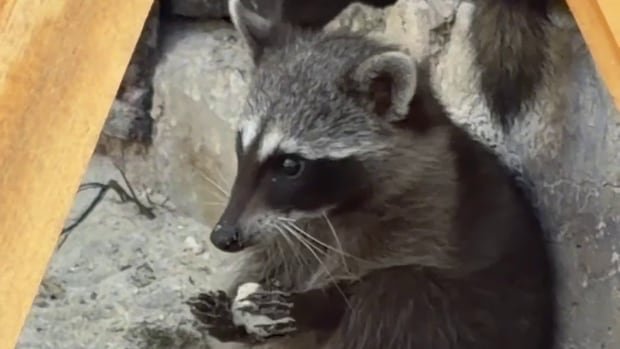

Biologist Nessie O’Neil, from Miami University in Ohio, stumbled upon a groundbreaking observation when she witnessed a pygmy raccoon fashioning a toy ball out of trash. Initially charmed by the sight, O’Neil later realized the scientific significance of the event after consulting with her advisor. They decided to document this behavior in a paper, recently published in the Wild journal.
This unique discovery showcases the Mexican pygmy raccoons’ innovative use of paper and other materials found in bins to create playthings, passing on this knowledge within their family group. It marks the first confirmed instance of “material culture” within the Procyonidae family, which encompasses raccoons and related species.
Pygmy raccoons, a critically endangered species exclusive to Cozumel Island in Mexico, weigh between three to four kilograms and possess distinctive long limbs suited for navigating their mangrove habitats and hunting shoreline prey. As their natural environment faces increasing urbanization, these raccoons have adapted by scavenging from tourists and rummaging through garbage bins for sustenance.
Notably, O’Neil observed the raccoons engaging in toy-making activities at a beach club. She witnessed a juvenile raccoon retrieving a receipt from a trash can, transforming it into a ball by wetting it in a water bowl, shaping it in the sand, and playing with it. This behavior was also imitated by the raccoon’s sibling, demonstrating a shared learning experience within the group.
Furthermore, the study highlighted an amusing incident where the mother raccoon attempted to craft a ball but was hindered by her impaired dexterity, possibly influenced by consuming a margarita earlier. This intriguing behavior caught the attention of Benjamin Beck, a retired scientist, who noted the raccoons’ level of creativity and social play interactions.
Despite the fascinating nature of this discovery, researchers caution against prematurely labeling it as cultural behavior due to the limited observations. The dwindling population of pygmy raccoons, now numbering only 200 individuals on Cozumel Island, faces existential threats from habitat destruction and food source disruptions caused by tourist activities.
O’Neil hopes that this research will raise awareness about the challenges faced by pygmy raccoons and prompt a change in human behavior, especially among tourists. She emphasizes the importance of preserving these creatures’ habitat and refraining from feeding them inappropriate foods like tortilla chips and margaritas. Ultimately, O’Neil advocates for respecting the intrinsic value of every animal and their right to exist in their natural environment.