
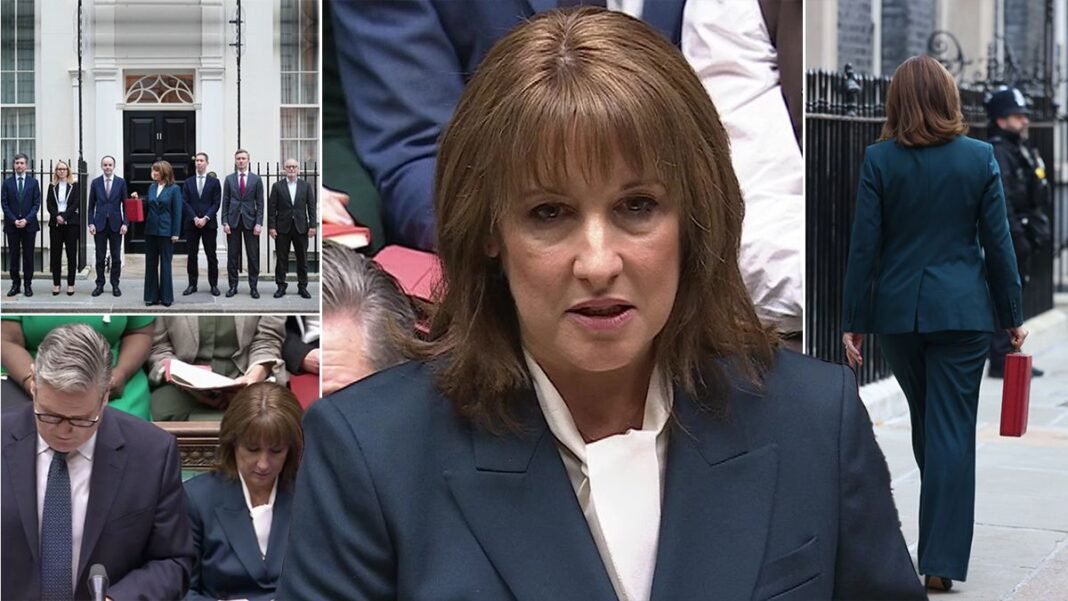

Rachel Reeves has announced a yearly tax increase of £26 billion in a Budget that was leaked just before its official release. The Chancellor introduced a new mansion tax for properties valued over £2 million and confirmed the removal of the two-child benefit limit. Additionally, income tax thresholds will be frozen, affecting over 1.5 million workers, while the gambling industry will face new levies, and fuel duty will remain unchanged until the following year.
Addressing the House of Commons, Ms. Reeves defended her decisions, stating that they are aimed at creating a fairer, stronger, and more secure Britain. The key details of the Chancellor’s long-awaited Budget have been highlighted by The Mirror.
The Budget includes a new tax on homes exceeding £2 million, estimated to impact between 100,000 and 200,000 properties. This levy, ranging from £2,500 to £7,500 annually, is projected to generate around £400 million for the Treasury per year.
Furthermore, the Budget introduces a “high value council tax surcharge” on properties valued over £2 million. The Office for Budget Responsibility (OBR) outlined that from April 2028, owners of properties valued above £2 million will be subject to an annual charge in addition to existing council tax obligations.
In a significant move, the Chancellor scrapped the two-child benefit limit, a policy criticized for contributing to child poverty. The OBR estimates this change will cost the Treasury around £3 billion by 2029-30, but it is anticipated to reduce child poverty by 450,000.
Moreover, the Budget includes reforms to gambling taxes, with a planned increase in remote gaming duty and the introduction of a new general betting duty for remote betting from April 2026 and April 2027, respectively. These measures are projected to generate £1.1 billion by 2029-30.
Other notable announcements in the Budget involve the first rail fare freeze in three decades, the freezing of income tax thresholds until 2030, a new mileage-based charge on electric cars, a reduction in the average household’s energy bill by £150, and an increase in the state pension to benefit pensioners.
The Budget also addresses National Living Wage increases, changes to pension contributions taxation, widening of the tax on sugary drinks, adjustments to cash ISA limits, a new tax on overnight stays in accommodations, and investments in the NHS and infrastructure projects like the Lower Thames Crossing.