
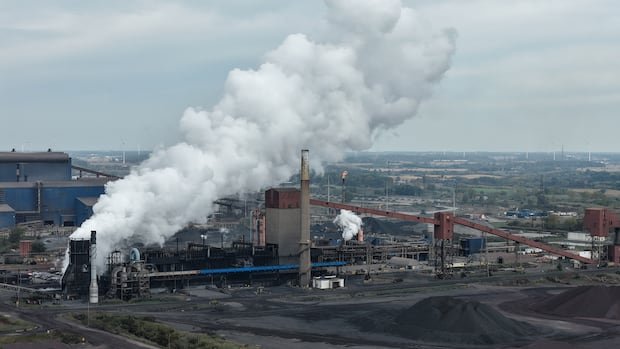

Stelco Holdings faces a looming deadline to present a strategy to prevent the termination of hundreds of steelworkers in Ontario, with potential legal repercussions from the Canadian government. This situation is viewed as a critical test of accountability for foreign investors as Prime Minister Mark Carney endeavors to attract more investments to Canada amid ongoing trade tensions with the United States.
The scenario raises questions about the credibility of the ultimatum and its effectiveness in safeguarding employees’ positions. Insights gleaned from previous legal actions against the U.S. steelmaker shed light on the potential outcomes of such disputes.
Approximately two decades ago, U.S. Steel, based in Pennsylvania, acquired Stelco for around $1 billion US, renaming it U.S. Steel Canada. The Investment Canada Act mandates that significant foreign investments must yield benefits to the Canadian economy, compelling foreign purchasers to commit to specific undertakings to ensure a positive impact on Canada. Despite initial agreements made by U.S. Steel, the 2008 financial crisis prompted significant layoffs and the closure of key operations in Canada.
In response to the breach of commitments, the Canadian government initiated legal proceedings against U.S. Steel in 2009. This legal battle, a rare occurrence involving government intervention, highlighted the complexities of enforcing investment regulations. The subsequent settlement required U.S. Steel to maintain production in designated locations and invest in operational upgrades.
Fast forward to 2024, where Cleveland-Cliffs, an Ohio-based company, acquired Stelco in a multi-billion-dollar deal approved by Ottawa. The acquisition terms included stipulations to retain the current workforce levels for a specified period. However, recent announcements from Stelco regarding production cutbacks and layoffs have reignited concerns about compliance with these commitments.
The current standoff between Stelco, Cleveland-Cliffs, and the Canadian government may escalate to a legal confrontation, mirroring past disputes. The Industry Minister’s ultimatum demanding a comprehensive job retention plan within a limited timeframe underscores the severity of the situation. The impending decision by Stelco and Cleveland-Cliffs will determine the course of action moving forward, with potential legal repercussions looming.
The repercussions of this conflict extend beyond the immediate job losses, impacting Canada’s investment landscape and the government’s credibility in enforcing regulations. The delicate balance between fostering foreign investments and safeguarding domestic interests underscores the complexity of this high-stakes confrontation.