
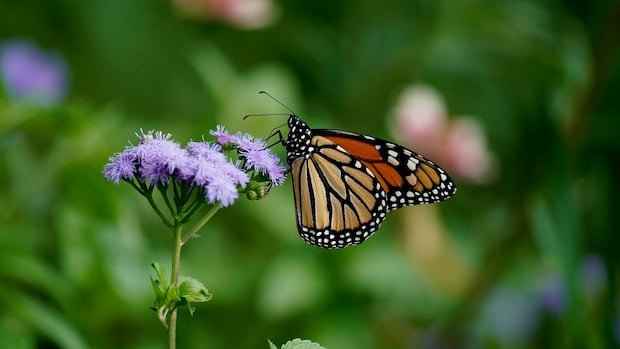

MaryAnn Lepp is amazed by the abundant monarch butterflies undergoing their miraculous transformation in her garden. She observed 20 caterpillars feasting on her swamp milkweed in just one day this week, reflecting a surge in backyard milkweed patches across parts of the Prairie due to favorable wet and hot conditions this summer.
The increase in monarch activity has sparked excitement among butterfly enthusiasts like Lepp, who eagerly search for monarch cocoons in their gardens. The surge in caterpillars, chrysalises, and monarch butterflies, documented by groups like Manitoba Monarch Mission, is seen as a positive sign for the federally endangered species.
While experts cannot definitively attribute the surge to weather conditions, they note the abundance of monarch sightings this year in Winnipeg. Conservation efforts, including planting milkweed and native wildflowers, aim to restore habitats lost due to the conversion of grasslands to farmland, a major threat to monarch populations.
The monarch’s endangered status was officially recognized in 2016, with measures in place to protect them on federal lands. Despite ongoing conservation efforts, the monarch population remains below sustainable levels, emphasizing the need for continued awareness and protection of these iconic butterflies.
In addition to monarchs, efforts are being made to conserve other endangered species like the Poweshiek skipperling, facing even greater extinction risks. The Assiniboine Park Zoo is actively involved in breeding and releasing Poweshiek skipperlings to bolster their population, with promising signs of progress this summer.
As monarchs prepare for their migration south to Mexico, initiatives such as tracking them with radio transmitters demonstrate ongoing commitments to safeguarding these vital pollinators. Enthusiasts like Lepp play a crucial role in nurturing caterpillars and chrysalises, contributing to the conservation of these magnificent butterflies and their habitats.