

President Donald Trump called on Americans to be willing to pay slightly higher gas prices as a way to prevent Iran from acquiring nuclear weapons. He also mentioned plans to designate the Strait of Hormuz as U.S. territory. This statement reflects the political challenge for Trump as increased fuel costs clash with his pledge to reduce energy expenses, with Democrats looking to leverage the economic impact of a potential conflict with Iran in the upcoming midterm elections.
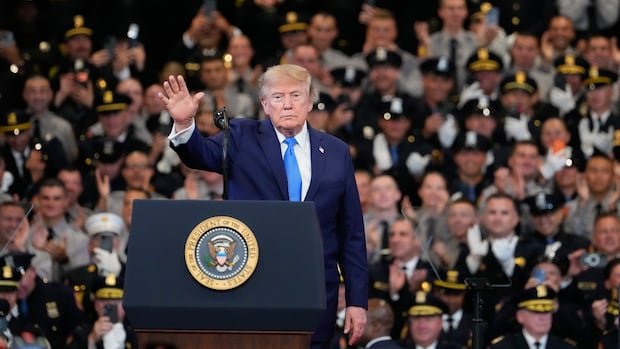
During a speech in Garden City, N.Y., Trump highlighted the necessity of paying a bit more for gasoline to prevent a “very evil country” from obtaining nuclear arms. He emphasized the importance of the actions taken, stating that the U.S. is serving the world’s interests and doing a commendable job in this regard. Trump affirmed his stance on confronting Iran without apologies.
Approximately 20% of global oil and LNG shipments pass through the Strait of Hormuz, leading to a rise in oil prices due to concerns about potential disruptions. Trump’s declaration about potentially declaring the Strait of Hormuz as U.S. territory further escalated tensions, although the seriousness of his statement and whether it signals a new policy stance remain unclear.
In response to Trump’s remarks, Kazem Gharibabadi, Iran’s deputy foreign minister, dismissed the idea of the U.S. seizing control of the strait through tweets or military actions, asserting Iran’s authority over the waterway’s operations.
As the situation in the Strait of Hormuz continues to impact global energy markets significantly, oil prices have surged, with Brent crude nearing $90 per barrel, and U.S. gasoline prices reaching around $4 per gallon.