
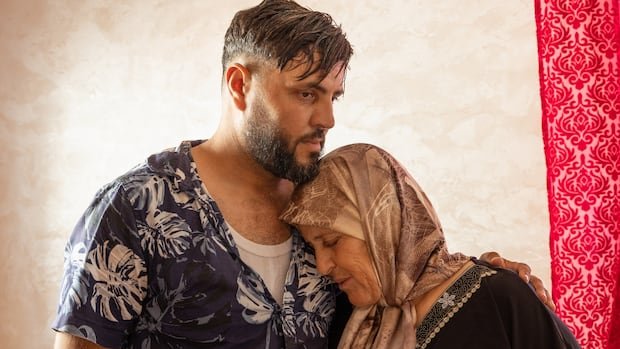

Jamila Afelom recounted how she could only recognize her daughter, Fatin Ben Homar Azizi, by a necklace she had given her before she departed. Afelom discovered her daughter’s body in a hospital a day and a half after Fatin’s attempt to swim from Morocco to the Spanish enclave of Ceuta. Speaking via video call from Tétouan, around 40 kilometers from Ceuta, Afelom emotionally recalled the tragic events of late July.
Describing Fatin as bold, determined, and somewhat tomboyish, Afelom reminisced about her daughter’s love for soccer. Fatin’s soccer coach, Adel El Kaab, shared fond memories of training her since childhood. Despite warnings about the perils of irregular migration routes, several female players, including Fatin, left for Ceuta in pursuit of a better future in Europe.
Afelom, a single mother working at a cemetery in Tétouan, tried to dissuade Fatin from attempting the dangerous journey. However, driven by a desire to escape poverty, Fatin was resolute in her decision. Tragically, Fatin’s venture ended in her untimely death, leaving her family devastated.
The search for Fatin’s body led to its discovery in a Fnideq hospital, underscoring the grim reality faced by many migrants attempting the perilous journey to Ceuta. The Moroccan human rights organization AMDH reported a significant number of fatalities during the border surge, highlighting the desperate plight of those seeking a new life in Europe.
Despite the profound loss, Afelom remains haunted by the uncertain fate of her surviving children in Ceuta. With minors still stranded in the enclave, Afelom’s anguish is compounded by the distressing accounts of her daughter’s troubling ordeal. Fatin’s unfulfilled aspirations serve as a poignant reminder of the harsh realities that drive many to seek refuge in distant lands.