

The United States is preparing to prohibit specific Canadian imports starting on Tuesday, marking the next phase of an ongoing trade dispute that has already resulted in significant tariffs on goods from both countries.
The ban, set to take effect at 12:01 a.m. ET, will encompass a range of products such as certain alcoholic beverages, dairy byproducts, molasses, and motorcycles. While these restrictions will pose further challenges for businesses operating in these sectors, they are not anticipated to have a major impact on the overall national economy compared to previous tariff measures.
According to a senior official from the White House administration and international trade experts, the intention behind these bans is to dissuade Canada and other affected nations from initiating further retaliatory actions against the economic policies of the Trump administration.
Barry Appleton, co-director of the Centre for International Law at the New York Law School, highlighted that bans are difficult to reverse compared to tariffs, indicating a shift in approach by the U.S. towards imposing more stringent measures on trade partners.
An analysis by Derek Holt, vice president and head of capital markets economics at Scotiabank, suggests that the impact of the bans on alcohol, dairy, and motorcycles will likely be minimal, given the relatively low levels of dairy and motorcycle exports to the U.S. Alcohol exports, valued at around $1.2 billion last year, represent a more significant portion of affected goods.
The ban on alcohol products will encompass various types of spirits, including beer, wine, whisky, and rum. While the CEO of Spirits Canada, Cal Bricker, expressed concerns over the ban affecting the substantial portion of Canadian spirits exported to the U.S., other industry players like Matt Johnston of Collective Arts Brewery indicated that severe tariffs have already impeded market access significantly.
In the dairy sector, the ban specifically targets whey products used for protein enrichment. Despite Canada being a significant source of whey imports to the U.S., the ban is expected to have a limited impact compared to broader trade disruptions.
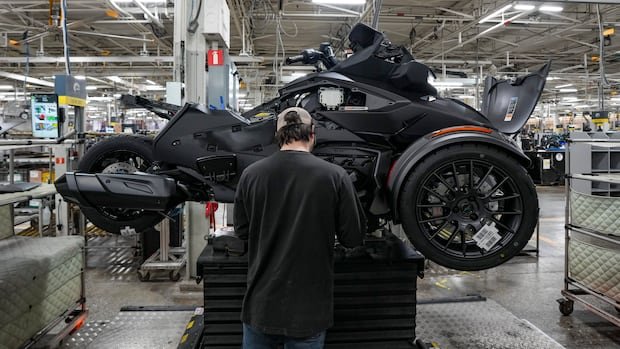
The ban on molasses products, including invert and cane molasses, follows lobbying efforts by American sugar producers seeking protection from foreign competition. The motorcycle ban, affecting a relatively small number of Canadian exports, particularly impacts Quebec, a region with a significant voter base for the Liberal government.
BRP, a major manufacturer of recreational vehicles, will face restrictions on certain motorcycle models exported to the U.S., though the immediate financial impact is projected to be manageable.
Overall, the new U.S. measures are anticipated to have a limited effect on the fiscal outlook for affected industries, with businesses expressing more concern over the ongoing trade uncertainties rather than the specific bans themselves.