
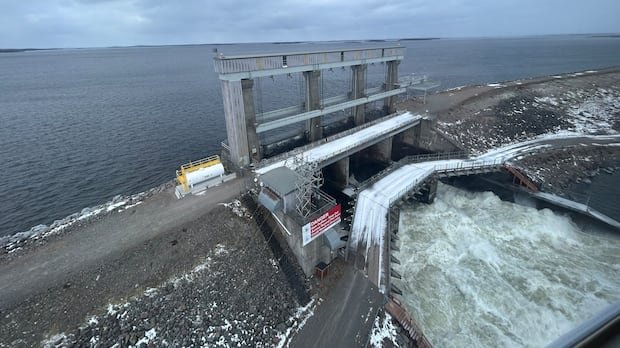

A new agreement between Newfoundland and Labrador (N.L.) and Quebec regarding Churchill Falls is in the works, with plans to enhance energy production and distribution. Sources close to the matter revealed that a memorandum of understanding is on the verge of being finalized, with an official announcement expected soon.
As reported by Radio-Canada and confirmed by insiders, the updated deal will see a significant increase in electricity allocation for both provinces compared to the previous agreement. Quebec is set to receive approximately 10,000 MW, while N.L. will secure between 2,350 MW to potentially 3,000 MW. The specifics of the arrangement are still being ironed out.
To achieve the augmented energy production, the parties have agreed to enhance the hydroelectric facility at Gull Island and boost the turbine capacity at the existing Churchill Falls plant. Notably, the new deal incorporates wind power, a feature absent in the previous 2024 agreement.
Regarding the pricing of electricity, it is expected to remain relatively stable without substantial changes. Minister Lela Evans, during discussions with the press, remained guarded about divulging detailed information on the revised memorandum.
Labrador City Mayor Jordan Brown expressed optimism about the potential positive impact of the new Churchill Falls deal on energy production in the region. The revamped agreement ensures a guaranteed transmission access of 985 megawatts through Quebec, enabling N.L. to sell excess Churchill River electricity to other markets utilizing Hydro-Quebec’s transmission network.
Gabe Gregory, a consultant involved in reviewing the previous MOU, acknowledged the significance of the enhanced market access in the new deal. He emphasized the importance of an independent review of the agreement and urged transparency in the process.
Friends of Renewable Churchill Energy chair, Ben Oates, noted similarities between the new and previous agreements, emphasizing the need for fair value for power generation. He also highlighted potential risks associated with the upcoming election in Quebec.
While the official details of the MOU are yet to be disclosed, stakeholders anticipate further developments in the coming days. The potential impact of the agreement on the economic and energy landscape of the regions involved underscores the importance of ongoing discussions and negotiations.